Why reliability starts with the right pump design?
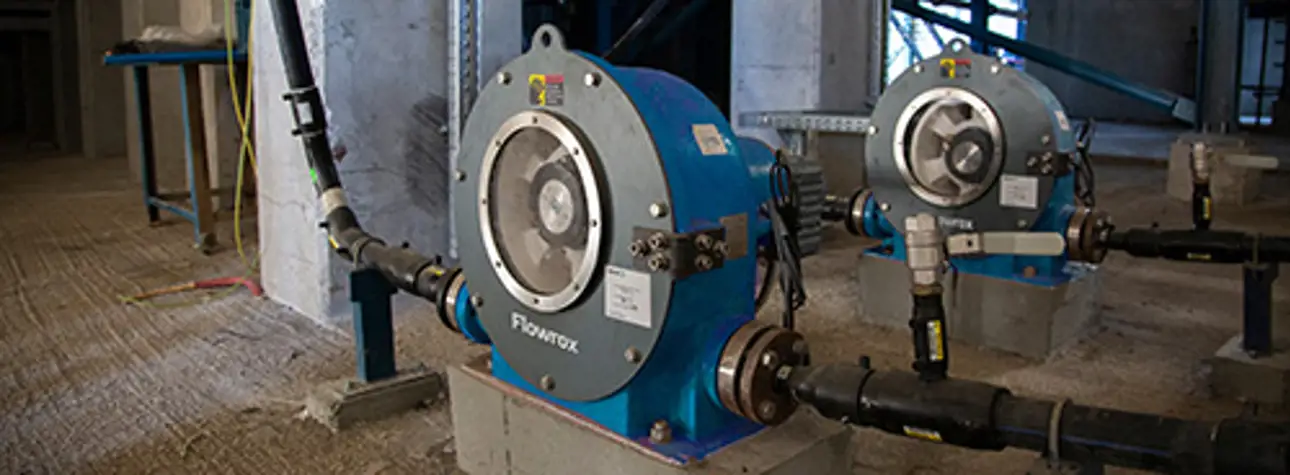
Peristaltic pumps are increasingly recognized as essential assets in process industries, offering reliable, efficient, and low-maintenance solutions for challenging applications – especially in slurry handling. With benefits including reduced water usage, lower energy consumption, and improved process control, hose pumps are redefining slurry and fluid handling in demanding industrial environments.
From component to competitive edge: The pump as a strategic asset
In process industries where uptime is critical and media are increasingly aggressive, the pump is evolving into a strategic asset. From abrasive mining slurries to corrosive chemical feeds, the demands placed on pumping systems are intensifying. In response, peristaltic pumps, also known as hose pumps, are gaining ground as low-maintenance, efficient, and reliable alternatives across sectors like mining, chemical processing, and water treatment.
Design innovation: The single roller advantage
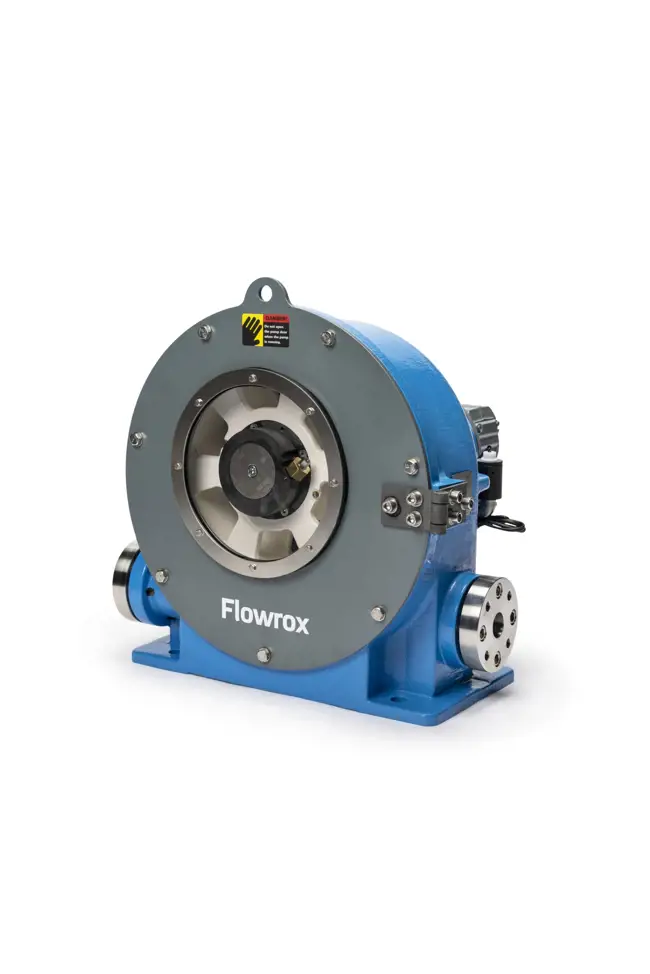
A key innovation driving the adoption of peristaltic pumps is the single-roller design. Traditional shoe-based designs compress the hose twice per revolution, generating heat and accelerating wear. In contrast, single roller designs compress the hose once per revolution, reducing friction and extending hose life.
This design enables higher flow rates at lower RPMs, minimizing energy consumption and wear. For example, a 100 mm (4”) Valmet’s FlowroxTM hose pump can deliver 100m3/h (440 GPM) at 10 bar (150 psi), outperforming larger shoe-based pumps while maintaining a compact footprint and simplified maintenance. The pump is designed for continuous 24/7 operation, ensuring reliable performance even in demanding applications
Effortless upkeep, reliable performance
Pump reliability goes beyond design as it is defined by how easily the pump can be maintained. Peristaltic pumps feature straightforward service routines, typically requiring only a hose change every six months. Under normal operating conditions, other components remain untouched. This high maintainability enables in-house teams to manage upkeep efficiently, minimizing downtime and reducing dependence on external service providers.
Built for savings and sustainability
As industries pursue sustainability and cost-efficiency, hose pumps offer tangible benefits:
- Reduced water usage thanks to the ability to pump higher concentrations of solids.
- Lower energy consumption and no overheating due to the roller design.
- Minimized downtime with simplified maintenance.
- Self-priming and dry-running capability, allowing stress-free, reliable startup.
- Improved process control via repeatable, exact flow per revolution, ensuring consistent and accurate dosing.
These advantages contribute to lower total cost of ownership and greater operational flexibility, making hose pumps a strategic choice for various industries.
Handling harsh media across industries
From abrasive slurries to corrosive chemicals, peristaltic pumps offer seal-less operation, high solids handling, and exceptional durability. In mining, they manage thick slurries without dilution. In chemical processing, they deliver accurate, repeatable flow even with corrosive or shear-sensitive media.
Conclusion: More than a component — A competitive edge
Peristaltic pumps are no longer niche solutions. They are strategic enablers of reliability, efficiency, and sustainability. Whether in mining, chemical processing, or water treatment, these pumps are helping industries meet performance targets while navigating increasingly complex operational challenges.
As process industries evolve, the role of the pump is being redefined — not just as a mechanical component, but as a driver of smarter, more resilient operations.
Originally published in the World pumps November/December 2025 issue.
Read more on