Beyond Circularity: Evolution of smart industrial work by supporting people and powering progress
Valmet worked together with VTT Technical Research Centre of Finland, other research partners, and companies in the SEEDForest’s COACH project to create steps towards human-centered, technologically enabled intelligent industrial work of the future. This two-year project was completed in late 2024 with promising results.
“Valmet’s focus was to find out how we can support our employees, partners, and customers in adopting new modes of working and planning. We’ve been working with user experience and human interaction with different systems since the 1970s. Every innovation should stem from actual user needs and make their work easier. When new concepts support users in their work, they become easier to adopt,” Valmet’s UX Manager Nina Flink says.
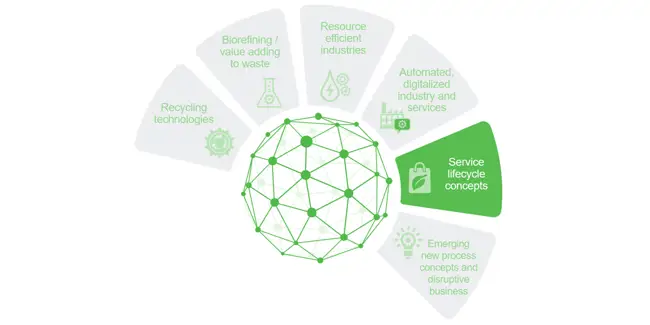
The project was also part of Valmet’s Beyond Circularity R&D program and ecosystem, which aims to enable our customer industries to shift to carbon neutrality and facilitate the green transition. The four-year program is soon coming to an end.
“I feel it’s important for Valmet to participate in research projects. Valmet gave the researchers the case, and even though COACH as a project was researcher-driven; our experts provided information and participated in workshops as well. Valmet gained valuable insights from the process. Being involved ensures we stay ahead in technology leadership, and by being part of these developments, we can bring learnings back into the company,” Flink says.
Case study: Valmet’s Performance Center
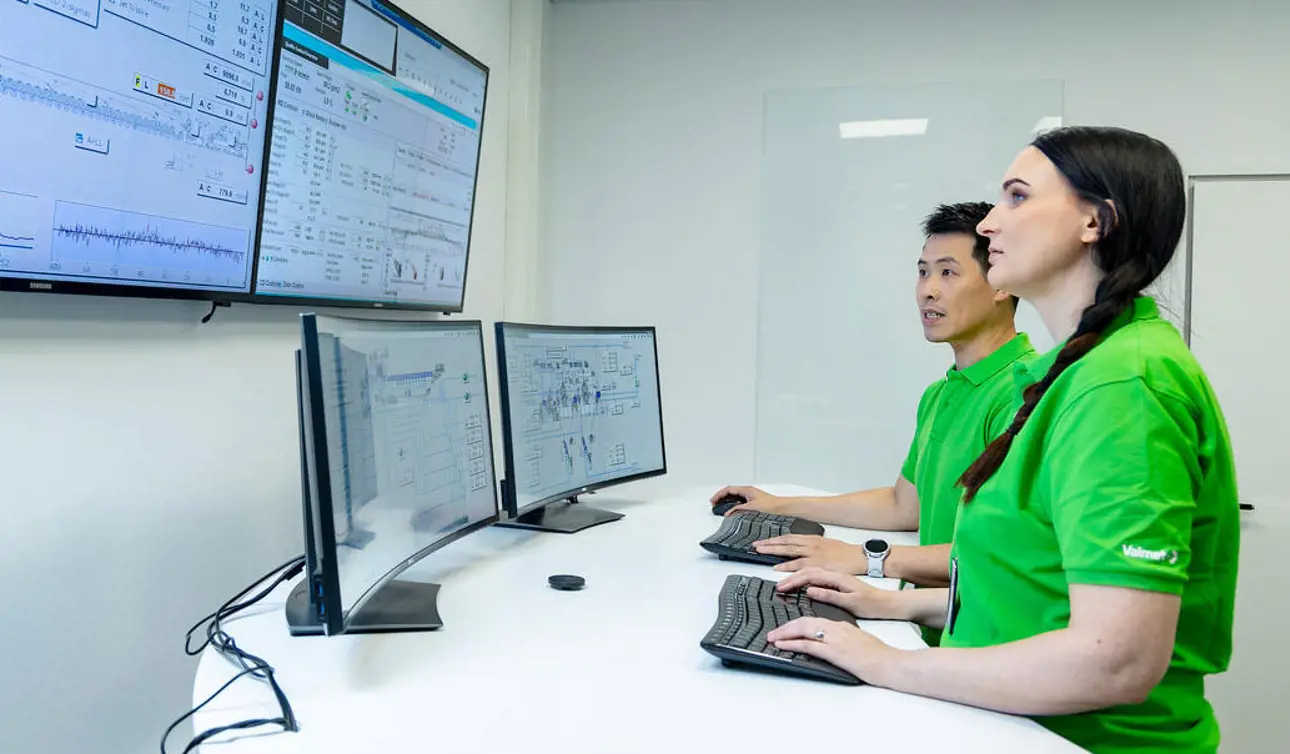
One of SEEDForest COACH’s case studies featured Valmet Performance Center. It’s a service which provides Valmet’s customers with remote services and support.
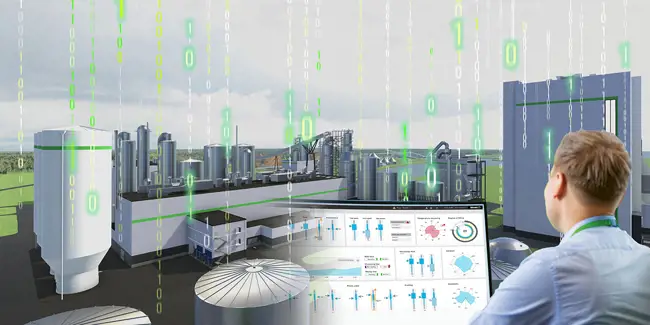
Valmet’s Performance Center concept was first introduced in a research publication in 2002. Twenty-plus years later, it has become a cutting-edge unit that helps Valmet’s customers analyze production and improve their processes. Working both remotely and on-site is a prime example of a data-driven industrial work environment that utilizes system knowledge, data, and smart tools.
“Our experts are facing new challenges: they have a key role in helping our customers meet energy consumption goals, environmental regulations, and increased transparency requirements. They also need to react to customer needs and challenges quickly in challenging contexts while supporting the ongoing changes in their organizations,” Flink says.
Broad international user interviews were conducted in Valmet’s Performance Centers to find out what new requirements, educational needs, and tools the ongoing industrial shift will entail for process experts. After interviews, the project team had two design workshops to analyze learnings and data from the interviews, develop ideas for future tools, and potential tasks where AI could support the remote operator.
Despite its brief duration, COACH delivered valuable insights that addressed immediate development needs and informed new operating concepts. The research also pointed out how the operator’s job could change and offered ideas for keeping up with new needs and technology
“The project not only provided practical recommendations for short-term improvements but also contributed to a deeper understanding of future trends and the anticipated transformation of operator responsibilities,” Flink sums up.
I feel it’s important for Valmet to participate in research projects. Valmet gave the researchers the case, and even though COACH as a project was researcher-driven; our experts provided information and participated in workshops as well. Valmet gained valuable insights from the process. Being involved ensures we stay ahead in technology leadership, and by being part of these developments, we can bring learnings back into the company.
Read other Beyond Circularity articles