
Taming Marine Alarm Complexity: Valmet DNAe Alarm Management for Safer Vessel Operations
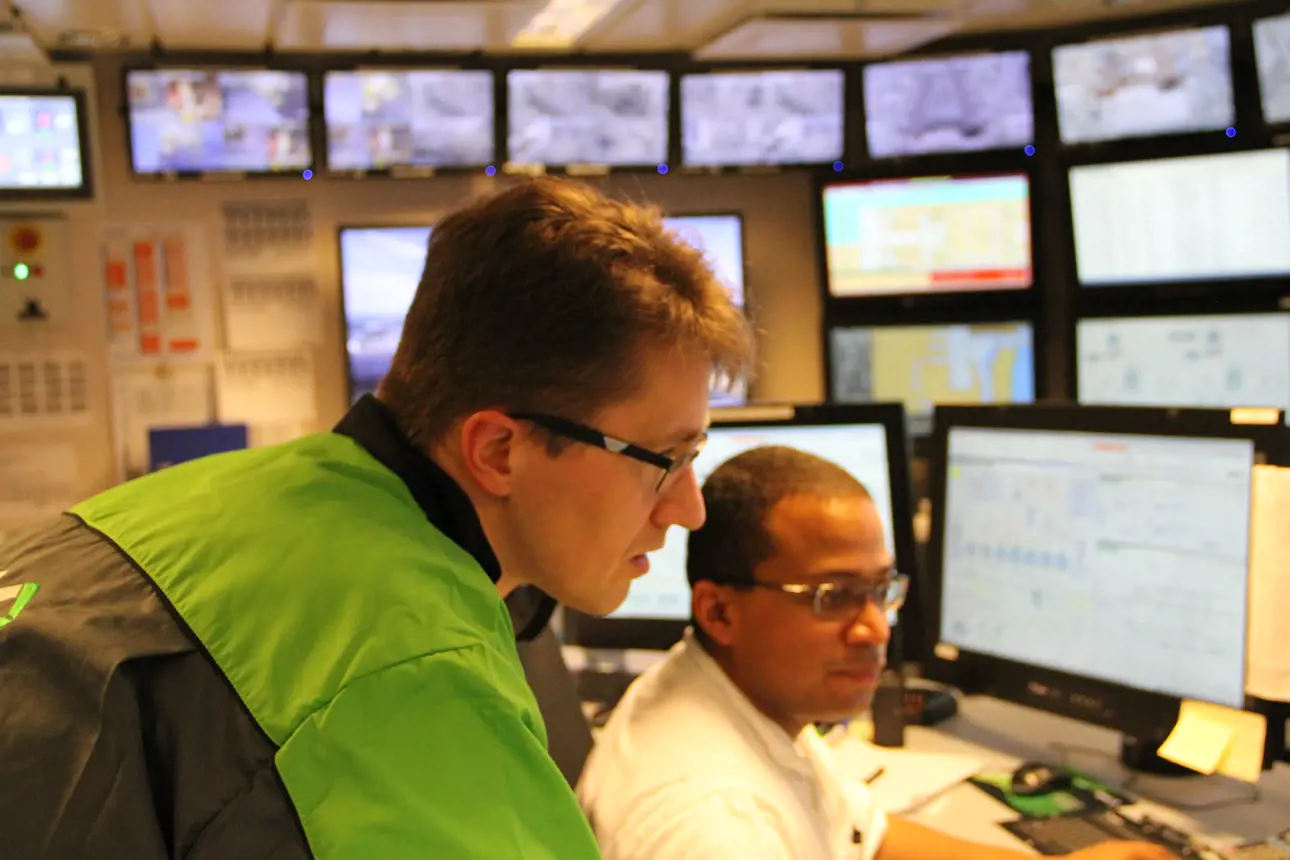
Imagine a vessel experiencing a cooling system fault during rough weather. Within minutes, dozens of alarms appear in the Integrated Automation System. Some are critical. Many are not. The operator must quickly determine which alarms require immediate action and which are simply consequences of the original event.
This situation illustrates one of the biggest challenges in modern vessel automation: alarm flooding. As ships become more digitalized, crews face increasing volumes of alarms, events and notifications. Without effective alarm management, important warnings can be hidden among low-value or repetitive alerts, increasing operational risk and reducing situational awareness. Effective alarm management is not only about reducing the number of alarms displayed. It is about ensuring that the right information reaches the right person at the right time.
Valmet DNAe supports alarm management practices aligned with IEC 62682. The standard adopts a full lifecycle approach to alarm management, where alarm systems are continuously monitored and refined to maintain effectiveness throughout a vessel's operational life. By combining intuitive operator interfaces, alarm handling functions, and alarm performance monitoring capabilities, Valmet DNAe helps operators maintain situational awareness and delivers the framework needed for a structured alarm governance.
The system is built around the realities of shipboard operations. Operators have access to live, filterable alarm lists and role-based views, enabling them to focus on the information most relevant to their responsibilities. Dedicated views can be configured to highlight critical alarms during abnormal situations.
To support maintenance and operational activities, alarms can be suppressed through functions such as masking or shelving when appropriate. All alarm handling actions are recorded in audit logs for traceability and compliance purposes. In addition, alarms can be linked directly to operator guidance, enabling fast, confident crew response when time is critical.
Effective alarm management begins with a structured, end-to-end alarm lifecycle. The foundation is an alarm philosophy document, which defines how alarms should be designed, prioritized, presented, and managed. It set rules for alarm priorities, expected operator response, alarm presentation, and performance targets, providing a consistent framework for alarm system configuration and operation.
A core lifecycle milestone is alarm rationalization. During this process, engineers and operators review each alarm to verify it serves a clear purpose and requires operator action. The consequences of missed or delayed responses are evaluated, and alarm priorities are assigned based on operational risk. This helps eliminate nuisance alarms, improves alarm quality, and ensures that operators can focus on the alarms that matter most.
Regular performance reviews and periodic audits help confirm alarm settings remain fit-for-purpose as vessel operations evolve. A structured lifecycle approach not only improves operator effectiveness and situational awareness but also supports compliance and simplifies regulatory inspections.
While the alarm philosophy and rationalization define how alarms should be configured, ongoing performance monitoring is essential to verify that the alarm system continues to operate effectively. Even a well-configured vessel generates large volumes of alarms and event data. Therefore, Valmet DNAe includes built-in vessel event analysis capabilities, enabling alarm performance analysis without relying on separate third-party tools. Through a web-based Alarm Dashboard, operators and engineers can monitor key performance indicators such as standing alarms, alarm rates, operator response times, and top recurring alarms. Other tools and reports, including Pareto, Correlated Alarm, and Trend Reports, help identify recurring nuisance alarms, understand the causes of alarm floods, and support investigation of operational events. These insights are available both onboard and to shore-based teams to improve troubleshooting, support crew training, and benchmark alarm performance across an entire fleet.
Alarm management is never a one-time project; it evolves throughout a vessel's lifecycle. Operational requirements change, equipment undergoes upgrades, and alarm configurations must evolve accordingly. Valmet DNAe provides a secure web-based environment for monitoring alarm performance, reviewing system behavior, and maintaining a complete history of alarm-related changes through audit trails.
By combining continuous performance monitoring with secure remote access, shore-based experts can collaborate more effectively with vessel crews to maintain alarm system performance and support safe, efficient operations throughout the life of the vessel.
Final Takeaway
Alarm management is no longer just an automation system feature. It is a critical part of vessel safety, operational efficiency and regulatory compliance. By applying a lifecycle approach based on IEC 62682 principles, ship owners can reduce alarm overload, strengthen operational visibility and support safer decision-making throughout the vessel's lifetime.
Valmet DNAe helps operators monitor alarm performance, identify improvement opportunities, and maintain effective alarm systems throughout the vessel lifecycle. The outcome is improved situational awareness, more efficient operations, and better support for safe decision-making at sea.



Andreas Carlsen
Business Manager, Energy & Process Systems, Marine Automation, Valmet