Unified UX at sea: streamline vessel operations with Valmet DNAe
The global shipping industry is navigating a changing operational landscape. Vessel automation is becoming increasingly sophisticated, while crews are expected to manage growing amounts of information and operational responsibilities. At the same time, many operators face challenges related to crew availability, retention and skills development. In this environment, user-friendly automation is no longer simply a convenience, it is essential for safe, efficient and sustainable vessel operations. Today, many crews still work across multiple control systems and human-machine interfaces (HMIs), creating unnecessary complexity in daily workflows. The global shipping industry is trapped in a universal operational dilemma: vessel automation grows increasingly sophisticated, while onboard manpower keeps shrinking amid widespread talent shortages. Today’s marine crews struggle with disjointed control panels, scattered operating systems and inconsistent human-machine interfaces (HMIs). Constant window switching, repeated login and fragmented data checking create invisible operational friction, draining crew productivity, delaying fault responses and raising maritime safety risks.
For decades, Valmet’s marine automation development has adhered to one core principle: technology should empower people, not complicate workflows. Built with human-factor engineering embedded in its initial design, Valmet DNAe marine automation platform delivers a fully unified user experience (UX) to eliminate operational silos, simplify daily vessel tasks and unlock tangible efficiency gains for shipowners and onboard teams.
The hidden cost of fragmented onboard interfaces
Many vessels today operate a range of automation and control systems that have been implemented over time to address specific operational needs. As a result, functions such as propulsion, power management, exhaust gas cleaning, ballast control and emissions monitoring may be accessed through separate HMIs, each with its own navigation structure, alarm handling and data presentation. While these systems perform their intended functions effectively, working across multiple interfaces can create additional complexity in day-to-day operations. This multi-system environment can create several challenges for daily vessel operations. First, it weakens situational awareness. Crew members need to toggle between multiple screens to correlate machinery alarms, missing the optimal troubleshooting window. Second, it prolongs crew training. New engineers have to master dozens of disjointed systems, extending onboarding cycles and increasing human error risks. Third, it triggers cross-departmental disconnection. Bridge and engine room teams cannot share synchronous operational data, hindering coordinated decision-making during navigation emergencies.
Valmet’s global marine customer surveys verify that navigating fragmented, disconnected control interfaces eats up substantial portions of crews’ daily working hours — precious time that should be spent on safety assurance and energy optimization, rather than repetitive system navigation.
Valmet DNAe: One integrated interface tailored for real marine workflows
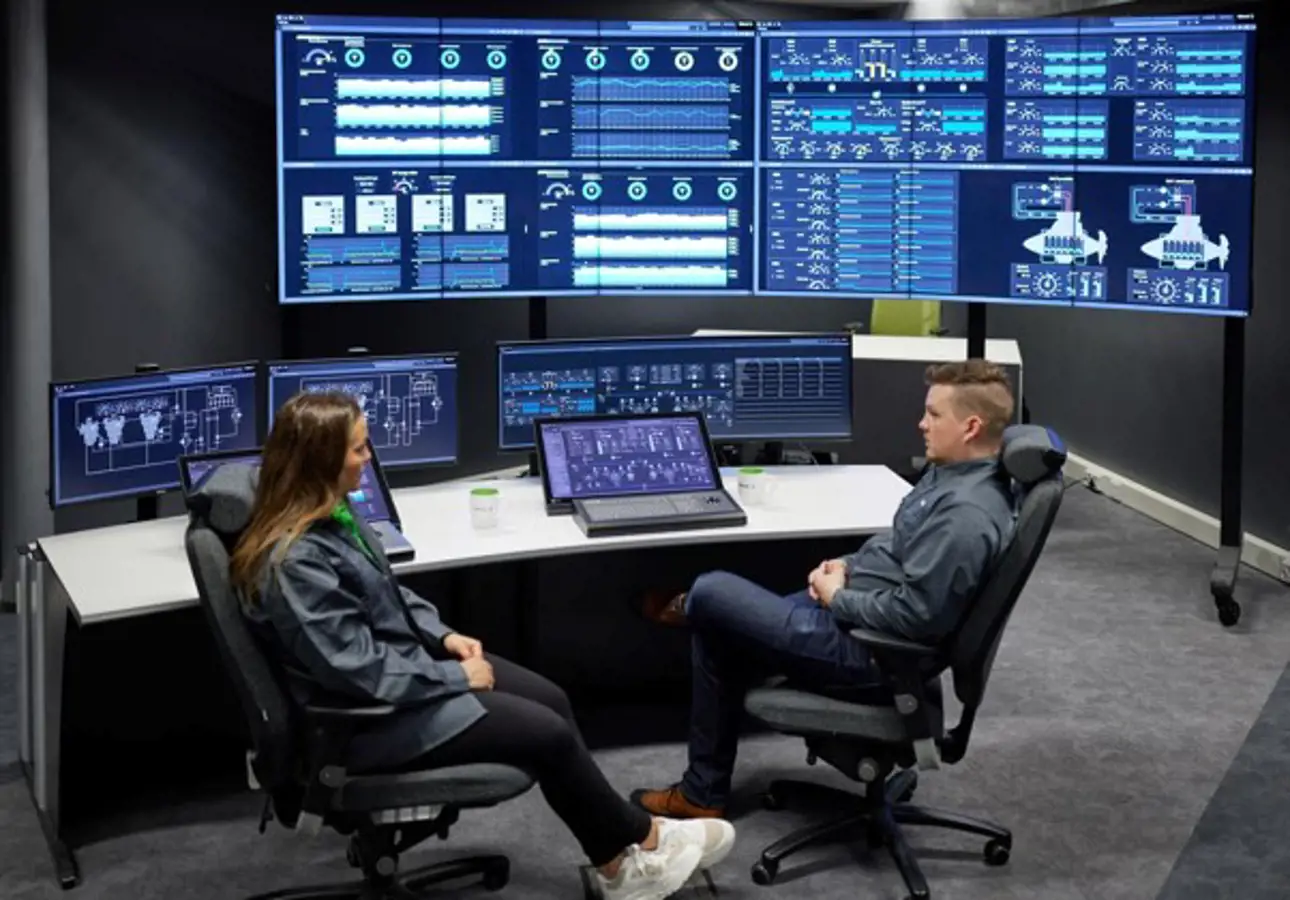
In contrast with retrofitted legacy systems with patched web functions, Valmet DNAe is web-based by design, unifying all marine automation functions into a single consistent UX. Every operational module, from machinery monitoring and maintenance management to regulatory emissions reporting, shares identical visual symbols, alarm logic and operating habits.
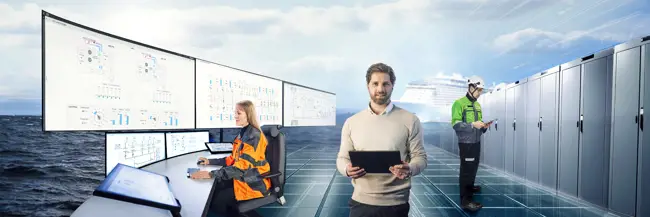
To avoid one-size-fits-all drawbacks, DNAe adopts role-based adaptive UX. It delivers customized dashboards for chief engineers, navigation officers and maintenance technicians respectively: engineering teams obtain full machinery health overview, bridge staff access voyage-related power and emission data, while technicians view filtered work orders and equipment guidelines. Context-aware information filtering prevents alarm fatigue, ensuring crews prioritize high-risk incidents under heavy operational pressure.
Most importantly, the unified interface bridges onboard and onshore gaps. Onboard engineers and shore fleet managers view fully synchronized real-time data, enabling fast remote troubleshooting. It removes manual data collation and repeated report generation, cutting unnecessary administrative workload significantly.
Proven operational value beyond UX optimization
Simplified, integrated UX is never merely an ergonomic upgrade; it generates tangible commercial and operational value for fleets. Based on Valmet’s live vessel deployments across cruise, RoPax and merchant shipping segments, DNAe’s unified interface delivers verified outcomes:
- Less time spent switching and cross-checking dispersed control systems
- Accelerated equipment fault locating and root-cause analysis
- Shortened onboard automation training cycles
Furthermore, the standardized UX architecture strengthens long-term fleet resilience. As shipping integrates low-carbon equipment including dual-fuel engines and marine battery systems, DNAe can integrate new hardware without adding extra independent interfaces, lowering fleet retrofit and lifecycle maintenance costs.
Closing thoughts: Put people back at the center of marine automation
Maritime decarbonization, stricter environmental regulations and talent shortage will continue to reshape global shipping. Facing increasing operational pressures, the industry no longer needs complicated automation stacked with technical functions — it needs human-centric automation.
With consolidated, role-adaptive and future-ready UX, Valmet DNAe turns scattered marine data into actionable insights, removes unnecessary operational barriers and lets crews focus on core missions: safe, efficient and sustainable vessel navigation. At Valmet, we believe superior automation does not lie in powerful algorithms alone. It lies in building intuitive technology that works seamlessly with every marine crew.

Andreas Carlsen
Business Manager, Energy & Process Systems, Marine Automation, Valmet