Managing scaling challenges
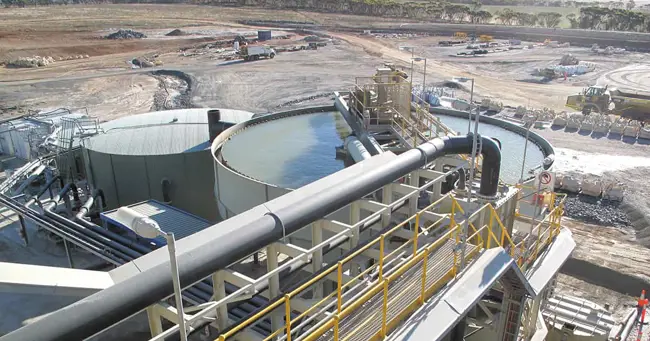
Scaling remains one of the most persistent operational challenges in process industries handling abrasive, chemically aggressive or high-solids media. Mineral build-up inside pumping systems restricts flow, accelerates wear and increases maintenance requirements, often leading to unplanned downtime. In operations where process continuity is critical, even minor interruptions can have a significant impact on productivity and operating costs.
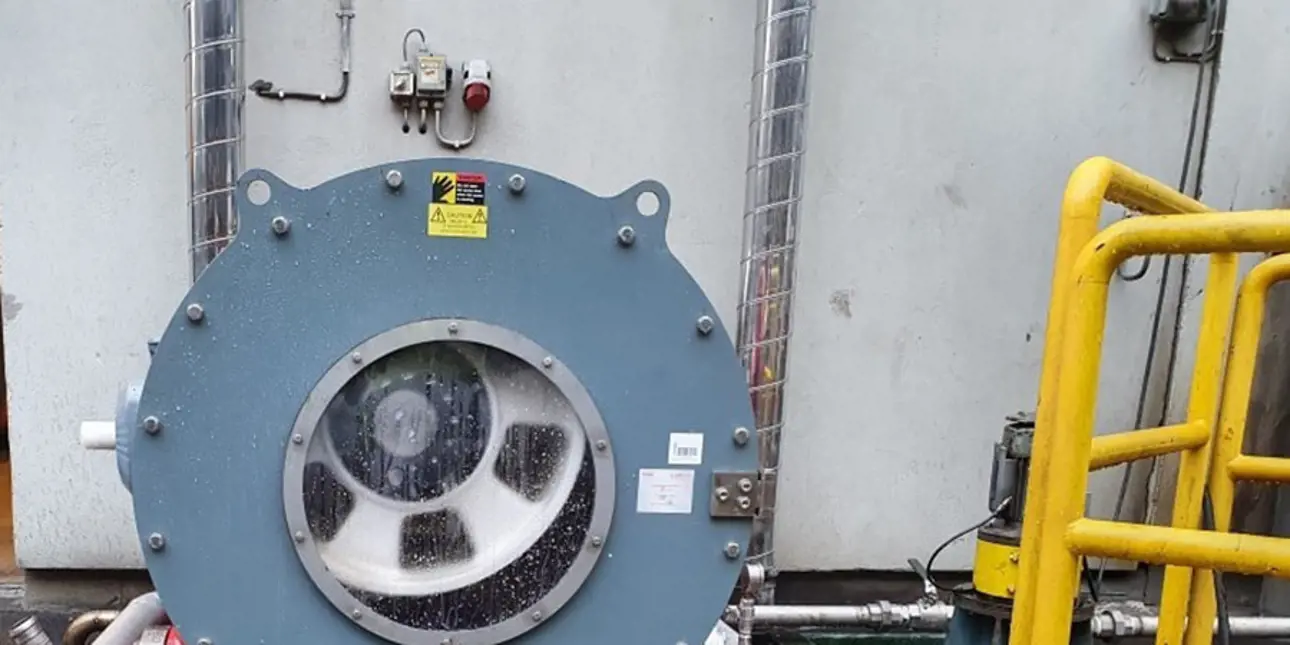
Valmet has agreed to divest its pump technologies (currently Flowrox™ pump solutions) to Metso as of October 1, 2026.
The Flowrox valves and trademark remain with Valmet. Read more: Valmet to divest its pump business to Metso
This article was originally published in the World Pumps, May 2026 issue.
Across mineral processing, chemical and wastewater applications, scaling is rarely an isolated issue. It typically emerges from a combination of process conditions, equipment design, and material interactions. When deposits form inside pumps or pipelines, they not only reduce hydraulic efficiency but also create stagnant zones that further accelerate build-up. As a result, conventional maintenance practices often become reactive rather than preventive.
Understanding the root causes of scaling
While chemical composition plays an important role, scaling is also strongly influenced by mechanical factors within the pumping equipment. Rigid internal components, sharp geometries, and partially obstructed flow paths provide ideal surfaces for material accumulation. Once deposits begin to form, they increase local turbulence and pressure losses, creating a self-reinforcing cycle of fouling and wear.
In demanding applications, often characterized by variable flow conditions and high solids content, traditional pump designs can struggle to cope with these combined stresses. Frequent cleaning and component replacement may temporarily restore performance, but they do little to address the underlying causes of scaling. This has led many operators to reassess whether incremental optimization of existing equipment is sufficient, or whether a different pumping principle is required.
A flexible approach to managing aggressive media
The operating principle offers two key advantages in scaling environments. First, the smooth bore of the hose provides a consistent flow path without crevices where material can easily accumulate. Second, the continuous compression and relaxation of the hose during operation creates a self-cleaning effect, making it difficult for deposits to adhere to the inner surface.
Material selection is equally critical. By choosing hose compounds tailored to the chemical and abrasive properties of the medium, operators can significantly extend service life while maintaining stable performance. This combination of flexible mechanics and appropriate materials allows peristaltic pumps to operate reliably in conditions that are challenging for more rigid pump architectures.
Improving uptime and maintenance efficiency

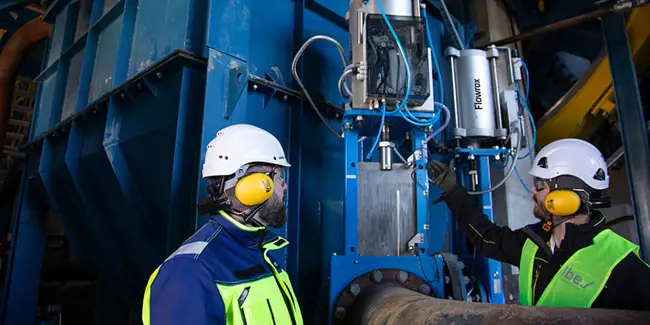
From an operational perspective, the benefits of this approach are reflected in reduced downtime and simplified maintenance. Because the pumped medium is fully contained within the hose, routine maintenance is largely limited to hose replacement, which can be performed on site without specialized tools or extensive disassembly.
Extended cleaning intervals and more predictable maintenance schedules contribute to higher process availability and improved overall equipment effectiveness. At the same time, minimizing manual intervention reduces operator exposure to aggressive or hazardous media, supporting safer maintenance practices and a more controlled operating environment.
In long-term operation, these factors translate into lower total cost of ownership. Rather than addressing the symptoms of scaling through repeated repairs, operators can stabilize performance by selecting equipment that is inherently suited to the behavior of the process medium.
Lessons for demanding process applications
Scaling challenges are rarely solved through minor adjustments alone. In applications where abrasion, chemical attack and deposit formation are persistent concerns, pump selection should be based as much on media behavior as on flow and pressure requirements.
By combining flexible pumping mechanics with carefully selected materials, hose pumps offer a robust and low-maintenance alternative for demanding process environments. For operators facing recurring scaling issues, re-evaluating the fundamentals of pumping technology can unlock meaningful improvements in reliability, safety, and operational efficiency.
Text by A. Savolainen. For more information, contact via e-mail raimo.lavikainen@valmet.com.
Summary of the content
Scaling is a common and persistent challenge in process industries handling abrasive, chemically aggressive or high‑solids media. When mineral deposits accumulate inside pumps and pipelines, they restrict flow, accelerate wear and increase maintenance needs, often leading to unplanned downtime and reduced process efficiency.
This article explores the root causes of scaling and explains how pumping technology influences deposit formation and long‑term reliability. It highlights how peristaltic pumping, also known as hose pumping, addresses scaling challenges through flexible pumping mechanics, smooth flow paths and effective isolation of the process medium.
By focusing on media behaviour and material selection rather than incremental equipment optimisation, operators in mineral processing, chemical and wastewater applications can improve uptime, simplify maintenance and reduce total cost of ownership in demanding process environments.
Subscribe to flow control newsletters
Subscribe now to flow control newsletters and receive the latest insights directly to your email.
SubscribeRelated articles