Overcoming oil sand application challenges with Neles™ Q-trim™ technology

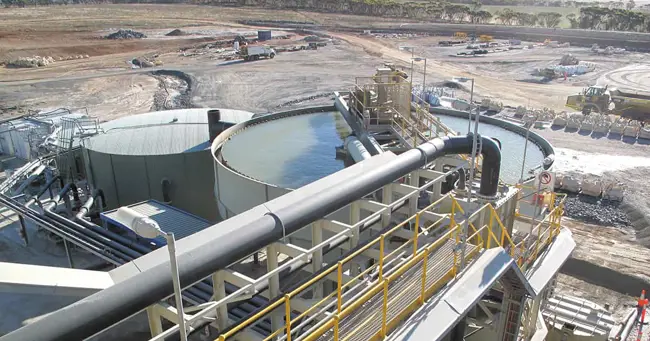
Oil sands production presents some of the most demanding process conditions in the world. Highly abrasive media, fluctuating operating conditions, and the need for stable separation place extreme requirements on level control and valve performance. In this blog, we examine the solutions to over come the typical application challenges.
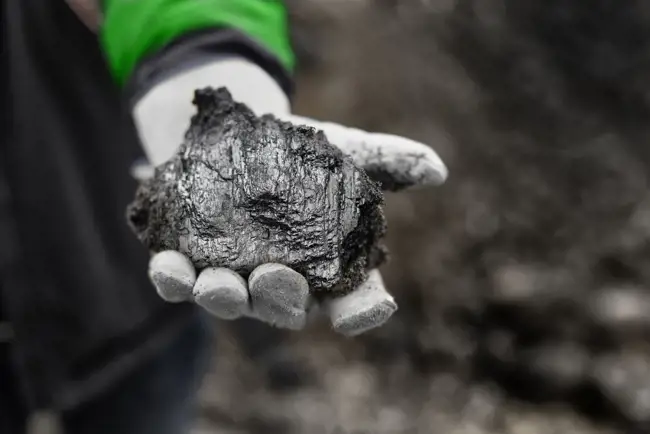
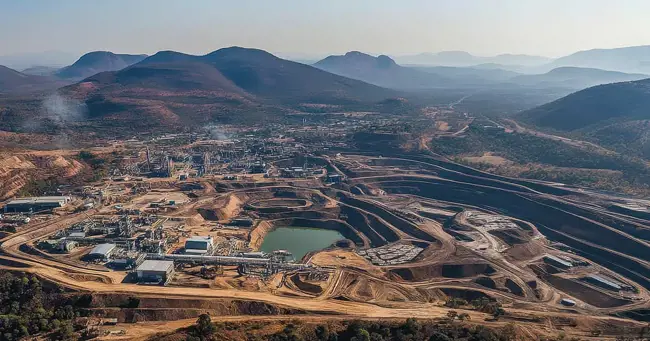
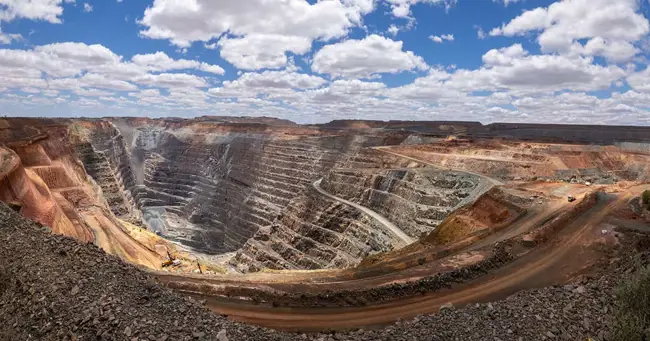
Oil sand is a naturally occurring mixture of water, clay, and extremely viscous and heavy petroleum called bitumen. It is mainly found in Canada, Venezuela, and Utah, USA. Once the bitumen has been extracted, it is then refined into synthetic crude oil. There are two different types of extraction methods. Oil sands are extracted either by open-pit mining when the deposits are close to the surface, or by in-situ methods for deeper deposits. In-situ production typically relies on technologies such as steam-assisted gravity drainage (SAGD) or solvent injection to enable the bitumen to flow to the surface.
Application and customer challenges
Control valves that maximize uptime
To prevent high-cost shutdowns and manage production, it is ideal to use equipment that is reliable, precise, and equipped with good level control systems. This is why the customer chose Neles™ RE series segment valve equipped with QTrim™ technology. The customer ended up choosing Neles™ R-Series valves because they are ideal for control applications, including mining and oil sands. The metal-seated construction ensures contact only between the ball and seat, supported by specialized materials and coatings that help maximize valve service life.
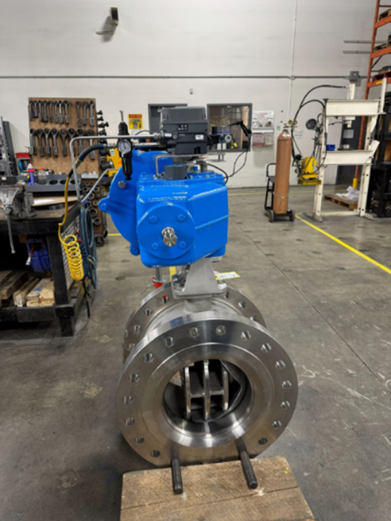
The Q-Trim technology of the valve reduces noise, vibration, and cavitation by staging the pressure drop across multiple phases. As well as self-flushing capabilities. The unique features of the product help in achieving more precise and consistent level of control with repeatable performance.
Enhanced stability and customer confidence
The implementation of the new valves have resulted in improved confidence in level measurement, reduced vibration and cavitation, increased production, and enhanced customer satisfaction.
“We haven’t experienced any control or operational issues with the valve since being put into service; been doing its job terrifically,” says Jared Larid, Sales Manager for GS Hitech Control, Certified Valmet Partner in Canada.
The ability to choose the right valves for different application challenges support reliable and repeatable level control in abrasive oil sands service. It also contributes to improved uptime, more predictable maintenance, and sustained process performance over the application lifecycle.
This was originally published by our channel partner GS Hitech Controls Inc., located in Calgary and Edmonton Canada. For more information, contact jeremy.collins@valmet.com

Jeremy Collins
Area sales manager, North America, Flow Control business area, Valmet
Summary of the content
The customer was operating in a highly abrasive oil sands environment where unstable level control, vibration, and inconsistent control performance were creating ongoing operational challenges and requiring frequent operator intervention. Maintaining proper interface level control is critical in oil sands extraction to maximize bitumen recovery and ensure stable downstream operation; deviations can result in bitumen losses to tailings, contamination, reduced separation efficiency, and higher operating costs. Under these demanding conditions, the application required a control valve solution capable of handling abrasive duty while delivering stable, repeatable performance, which led to the selection of a Neles™ RE series segmented ball valve equipped with Q‑Trim™ technology to support consistent level control and mitigate the effects of vibration and cavitation.
About GS Hitech
GS Hitech Controls, based in Alberta, Canada has been a Certified Valmet Partner since 1992. The end customers close to them produce roughly 90% of Canada's hydrocarbon energy. Most of that is pulled from the oilsands in the far north in demanding conditions. GS Hitech has high expertise in control valve selection, application of coatings, valve type and material selection, which are all necessary for highly erosive and corrosive processes uniquely associated with bitumen processing.
Key features of RE-series valves
• Excellent corrosion resistance with special materials such as CG8M, Titanium, Hastelloy C, 254 SMO, and Super Duplex
• Availability of both metal seated and soft seated constructions
• Optional ceramic coatings for metal seated valves in highly corrosive environments
Read more