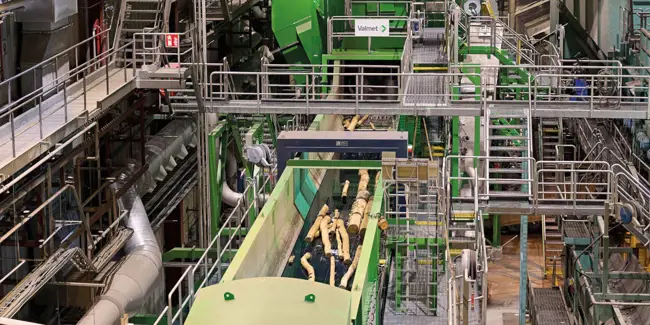
A small piece of wood, a big impact – why chip quality matters
Chips are the form in which wood enters the pulping process. It’s the chips’ quality that determines how well they can be steamed, impregnated, and delignified. In this article, we explore what chip quality means and why it matters more than you might think.
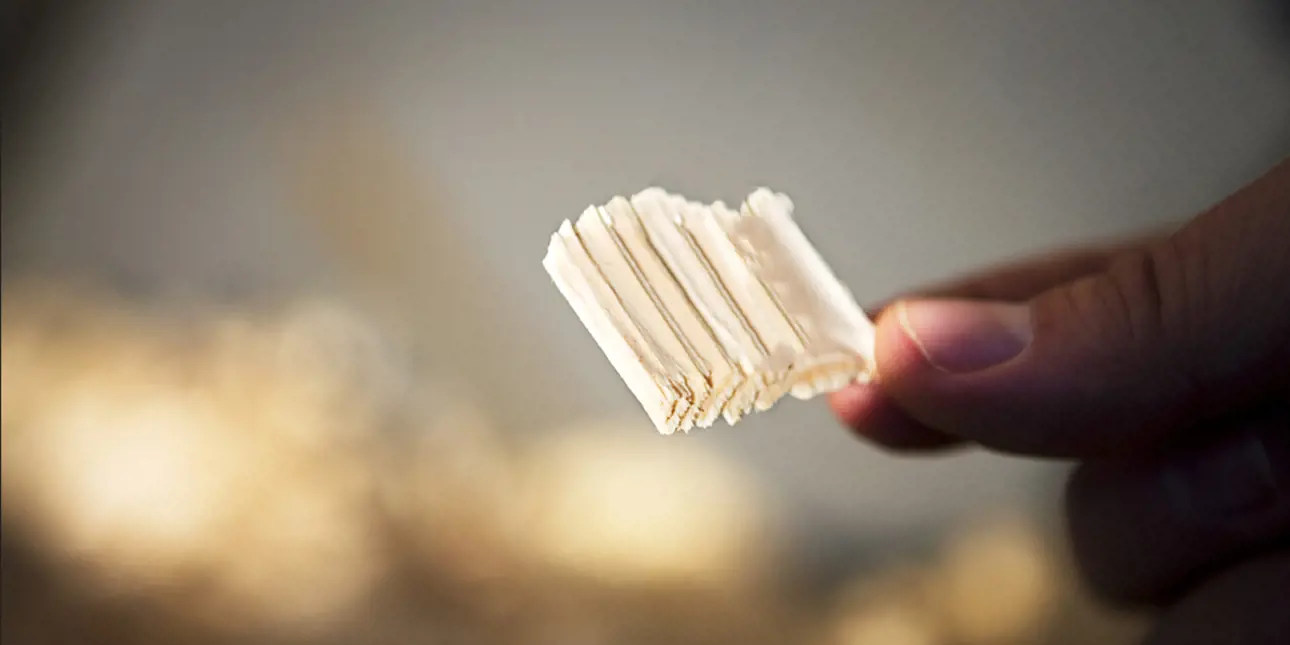
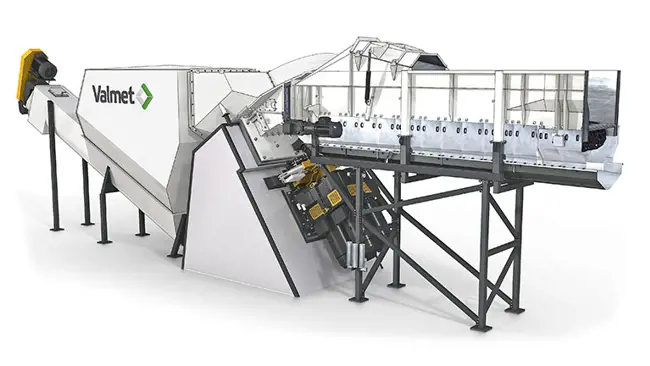
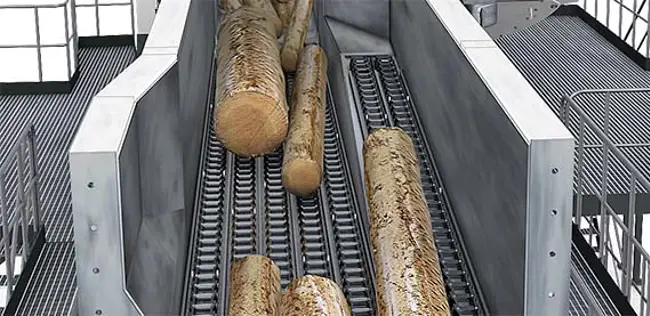
Chips are produced through a multi-stage process that turns logs into uniform, cookable particles for the digester. This process includes everything from raw material selection and storage to debarking, chipping, screening, and reject handling, and finally feeding the chips into the pulping process.
Chip quality is a combination of physical, chemical, and biological properties that ultimately determine how the chips behave during the cooking process.
“High-quality chips have the desired geometry and are even in size. They maintain consistent moisture, stable density, and have minimal bark content. However, there’s no universal ‘perfect chip’, as each mill’s equipment, raw material, and cooking process define what high quality means for them – and that makes it all very interesting,” says Magnus Wilhelmsson, Senior Product Manager, Cooking, at Valmet.

Magnus Wilhelmsson, Senior Product Manager for Cooking
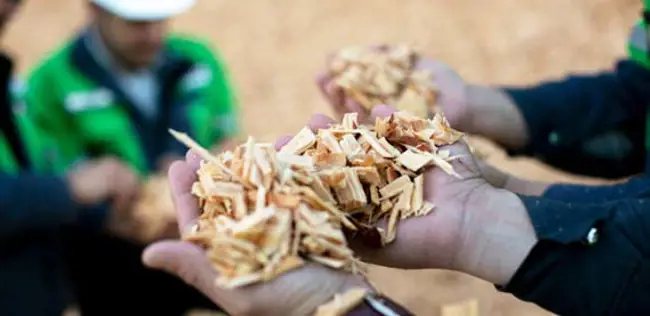
High-quality chips have the desired geometry and are even in size.
Chip quality is a sum of numerous parameters
The factors behind chip quality can be divided into four categories: raw material, wood supply management, wood handling process, and operative issues.
“The species, diameter, age, and moisture content of the raw material all have an impact on quality, and so does wood supply management, including storage and logistics. Chipping equipment naturally plays a key role in securing the geometry and size distribution of the chips. But what is even more important is the impact of operative issues on chip quality – process stability and equipment condition, to name a few. Chip quality is a complex topic and, as such, very challenging to control,” says Ari Havu, R&D Manager, Woodhandling, at Valmet.

Ari Havu, R&D Manager for Woodhandling
Chip quality depends not only on chipping equipment, but also on process stability and equipment condition.
How’s it cooking?
The reason why chip quality matters is the impact it has on the cooking process. High-quality chips benefit pulping operations in terms of higher yield, less reject, lower kappa level, less kappa variation, lower chemical consumption, and higher pulp strength. Besides affecting pulp quality, chip quality also influences the operational stability of the entire process.
“You could say that in this case, size truly matters. An uneven chip size distribution reduces yield: fines and pin chips overcook, degrading cellulose and weakening fiber strength, while oversized chips undercook, increasing the mill's reject levels by producing more knots and shives. Uneven chip size also causes segregation in the digester, affecting chip bed porosity and leading to uneven liquor flow and channeling. And since mills always ‘cook for the worst’, poor chip uniformity inevitably raises chemical and energy consumption”, Wilhelmsson explains.
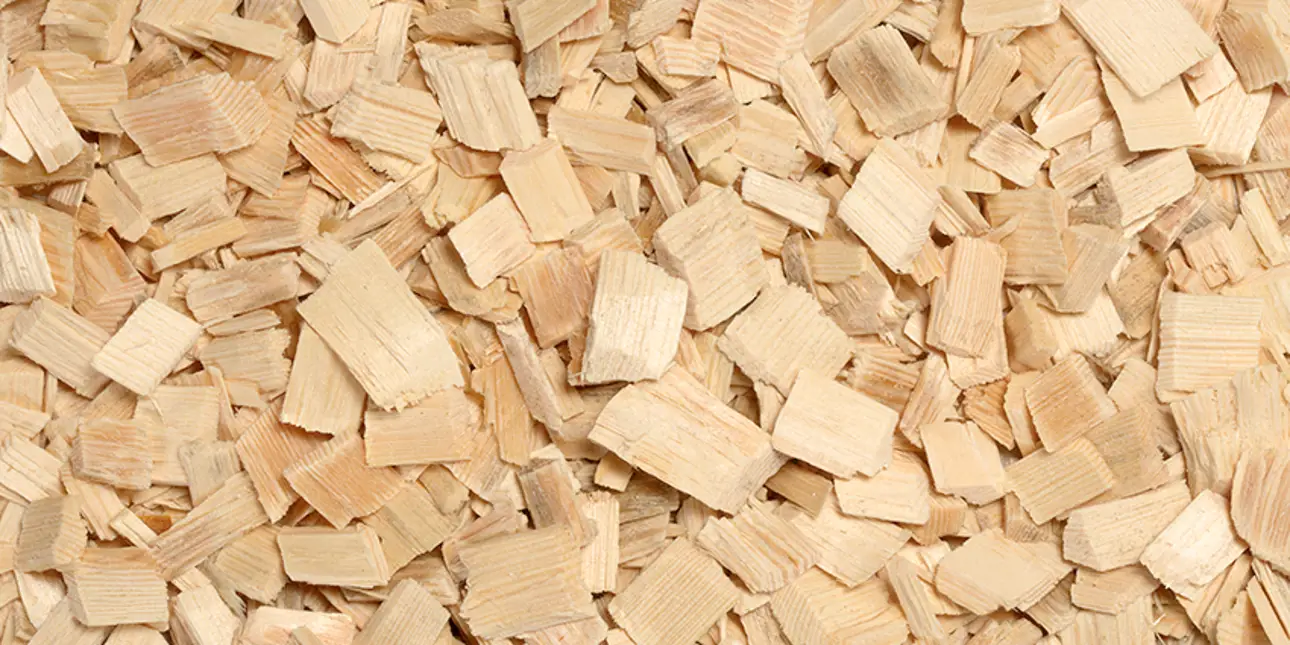
Consistent chip quality enables efficient cooking, higher yield, and stable pulp production.
Improving raw material efficiency saves money
About 60% of the total annual cost in a chemical pulp mill is related to the raw material. In a mechanical pulp mill, the same figure is 40%.
“As such, raw material cost is the single largest expense at a pulp mill, and even a one-percent improvement in raw material efficiency saves a significant amount of money. Raw material efficiency can be enhanced through improving chip quality – the more uniform the chip size distribution, the less rejects,” reminds Minna Vepsä, Product Sales Manager, Pulp Drying, Baling, Wood & Biomass Handling, at Valmet.

Minna Vepsä, Product Sales Manager for Wood Handling
Mills can increase their overall productivity and save a significant amount of money through enhanced raw material efficiency.
Future is built on data
Even today, many mills do not systematically measure chip quality. They rely on occasional lab samples, making it difficult to diagnose process deviations. All three Valmet experts believe that data collection and automation will be among the central future improvements at pulp mills.
“The most important advice is to start measuring and collecting data – such as log diameter and chip size distribution, and moisture – right away. It’s the first step toward knowledge-based process control. Later, chip data can be connected with cooking and maintenance data to provide even more insight for process improvement and a valuable tool for problem-solving – not to mention the influence it has on overall lifecycle management of the mill,” says Ari Havu.
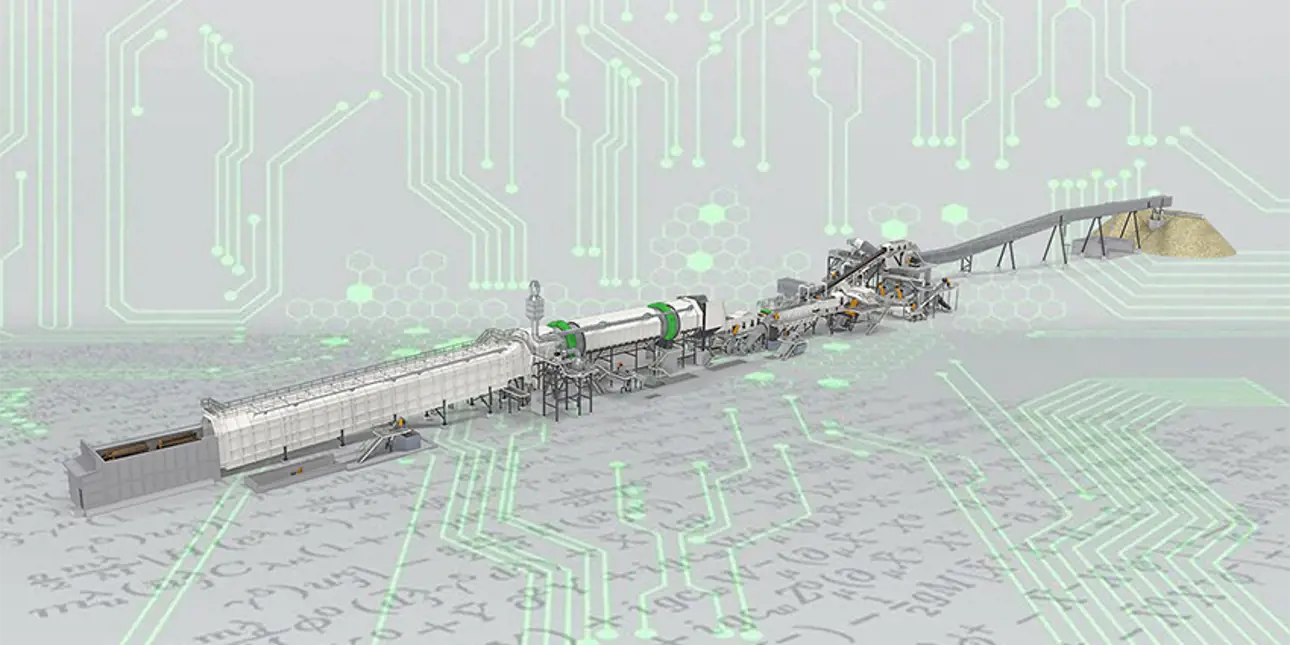
Data and automation will shape the future of wood handling.
Interested in taking chip quality seriously?
Valmet provides tailored and flexible services and upgrade solutions for wood handling throughout the equipment lifecycle. Valmet offers high quality spare parts and production consumables, and its global network of field service experts is available for troubleshooting, maintenance and shutdown services. Service agreements, such as the Valmet Chip Quality Agreement, secure agreed chip quality and ensure the availability of products and resources.
Related articles