Klabin’s Puma II project strengthens integrated production capabilities
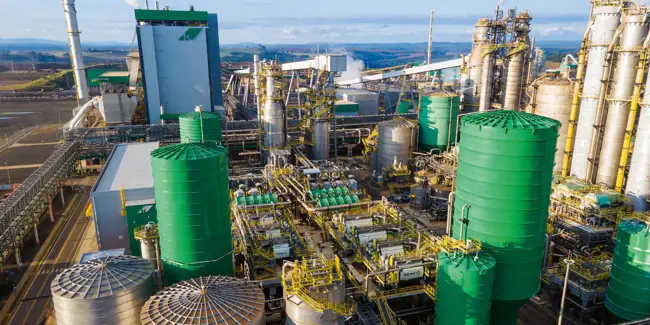
Klabin’s Puma II Project in Brazil includes a BCTMP line and fiberline integrated with the PM 28 board machine. Together, these assets enhance production flexibility and support the consistent delivery of high-quality board products to the market.
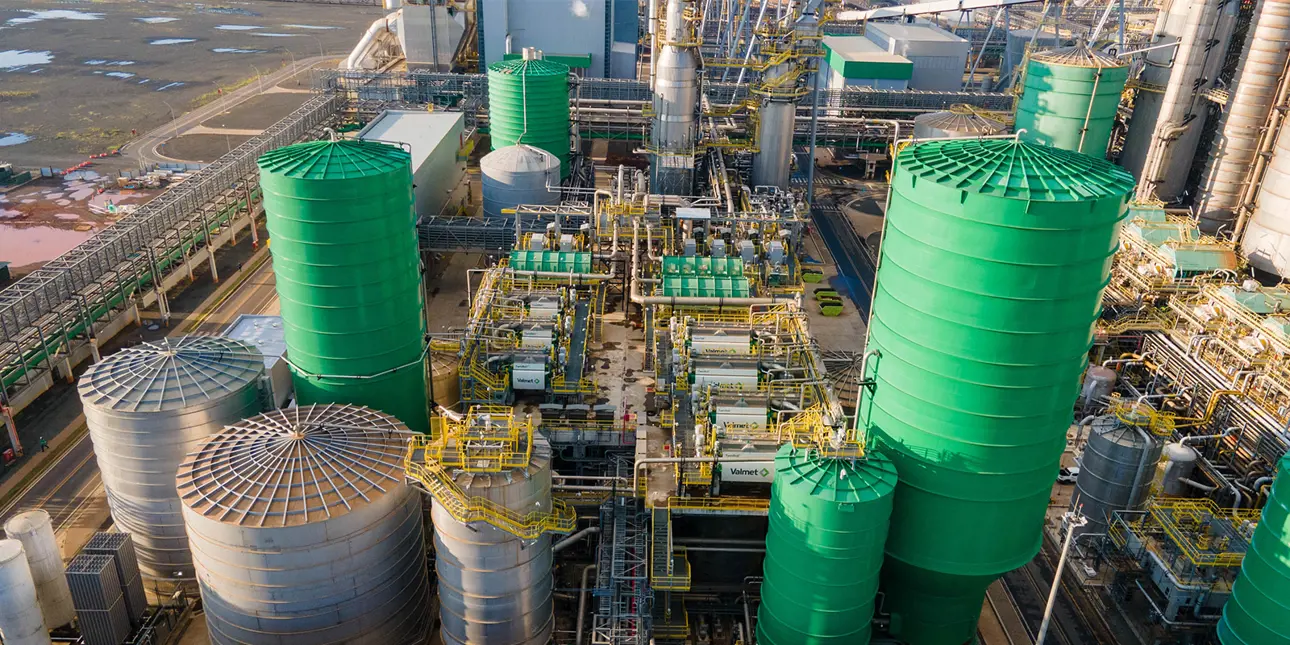
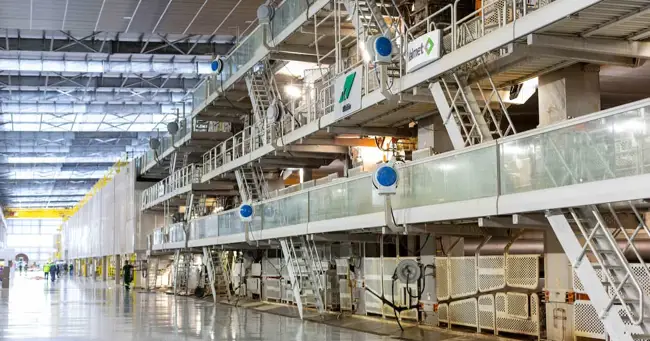
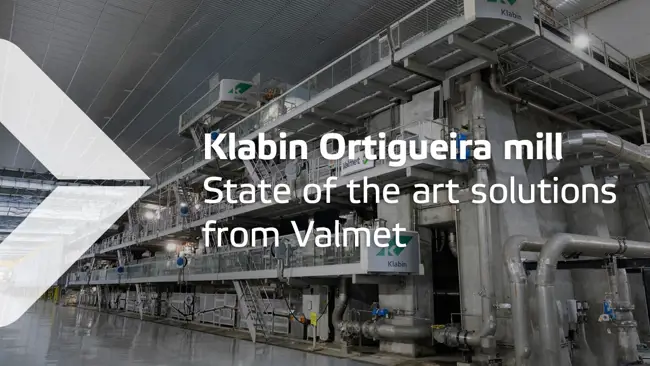
Klabin’s team decided on a flexible new paperboard making line for this second line of the project. This included the BCTMP and fiberline integrated with the new PM 28 board making line, which can produce a large variety of board grades, from kraftliner to coated boards, like folding box boards (FBB) and liquid packaging boards (LPB). The new PM 28 board making line has an annual capacity of 460,000 tonnes.
“Valmet and Klabin are both well-established and traditional companies with a long-standing relationship and extensive history of development. Valmet has consistently supported Klabin through all its growth cycles, and this occasion was no different. We continue to engage in numerous technology discussion forums together”, says Felippe Rosa, Sales Manager Valmet Latin America.
Key factors to a successful startup and appreciated support
The start-up for the Klabin’s Puma II project was successful and the support from Valmet was greatly appreciated. "Valmet's support and expertise helped us overcome challenges, start operations on schedule, and achieve quality production. Their local knowledge and field skills, along with our team, made all the difference in ensuring this successful start of operations", says Anderson Tomé, Industrial Manager at Klabin.
“Ever since the beginning, we had a great dedication to work on this project. We worked very hard, and I think the commitment of the people to make this project happen was crucial. This is Valmet's most comprehensive automation process globally, and this machine applies to both the process area, from the fiberline to the stock preparation, former, press, rewinder, and finishing." says Milton Navarro, Project Manager Valmet Latin America.

Valmet’s advanced controls and levels of automation allow for complex optimizations. The technology used enables precise control over plant structures and fiber morphology, along with a strategic approach to impregnation and refining processes.
Equipment with operational advantages
When evaluating the technical aspects, refining quality is crucial for a high-performance mill. “Valmet’s advanced controls and levels of automation allow for complex optimizations. The technology used enables precise control over plant structures and fiber morphology, along with a strategic approach to impregnation and refining processes,” says Anderson.
Valmet have supplied Klabin with equipment that has many advantages. “For example, the Valmet Chip Pumping System offers significant operational advantages. It utilizes parallel pumps instead of series pumps, allowing for continuous operation even if a pump encounters a problem or requires maintenance. This means that the transfer process does not need to be halted for pump maintenance or issues”, says Andre Domingues, Process Manager Valmet Latin America.
Being able to maintain a low temperature has repeatedly been proven critical for achieving a low tailings yield. In this context, the reduced reject content also lowers the required cooking temperature, making the cooking process less steam demanding. “This is because the process operates at a lower cooking temperature, with impregnation conducted separately from the main process, allowing for better control of impregnation conditions”, says Domingues.
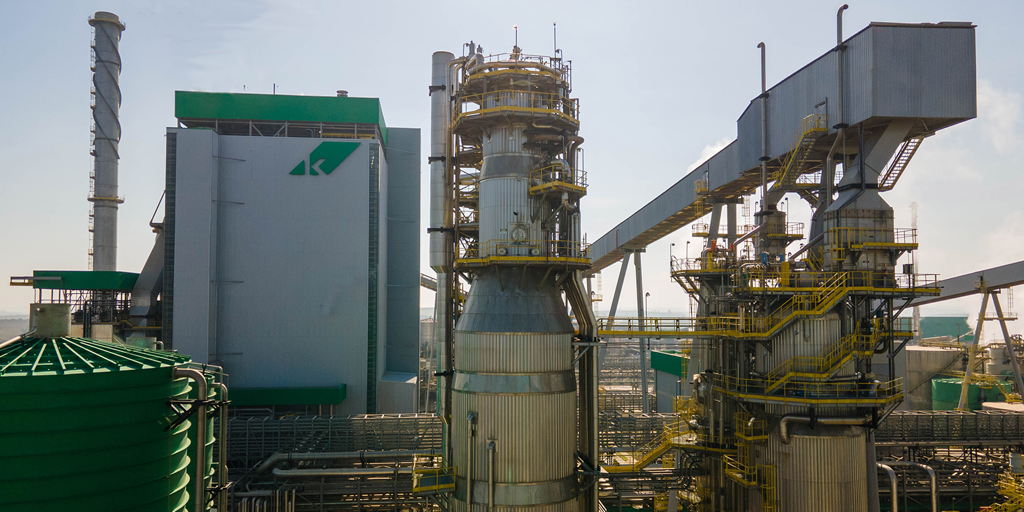
The Valmet Continuous Cooking solution optimizes temperature control, preserving fiber strength and cellulose integrity. This enhances paper properties and enables 100% eucalyptus products.
Challenges and even more efficient partnership
One of Klabin's main challenges during the initial phase was mastering start-up and shutdown procedures. According to Anderson, Klabin had to develop control strategies to improve these processes, since today its focus is on optimizing mill restarts and shutdowns during operation. “Although our relationship with Valmet is not recent, it has become more efficient. Valmet is known for its expertise in both equipment manufacturing and process management. This knowledge has been important in improving the efficiency of our cooking process.”
The Valmet G3 cooking solution optimizes temperature control, preserving fiber strength and cellulose integrity. This enhances paper properties and enables 100% eucalyptus products. The technology boosts product strategy and throughput, reducing costs and property loss. It increases yield with lower energy consumption and low-intensity refining, improving paper quality. Anderson explains that the combination of chemical, temperature, and mechanical treatments offers significant advantages in fiber development and yield preservation. He also mentions this process also anticipates problems, embodying a preventive approach.