Revolutionizing control valve management with Edge AI
Control valves are the backbone of process control. They execute the actual control actions that keep industrial plants running safely, efficiently, and reliably. In many plants, hundreds or even thousands of control valves are in operation at any given time. This scale raises an important question: How can plants ensure that every valve performs as intended without overloading maintenance teams or relying on reactive troubleshooting?
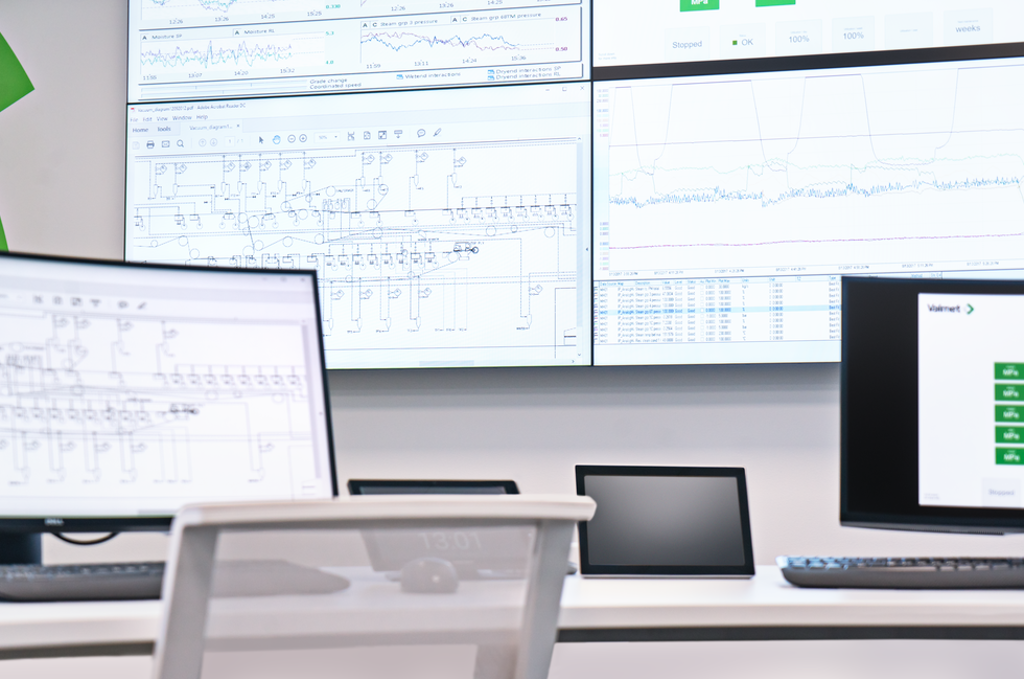
Traditionally, valve performance monitoring has been largely reactive and then used for root cause analysis. Issues are addressed after they start affecting the process, production quality, or uptime. The reasons are well known: Collecting reliable, meaningful data from large valve populations has been difficult, and experienced experts capable of interpreting this data are often in short supply. As a result, many valves operate below optimal performance for long periods without being noticed. Today, this is changing.
From raw data to actionable insight
One of the biggest challenges in fleetwide valve monitoring has been data volume. Control systems typically log multiple valve parameters every second and store them in historians. While this approach provides detailed data, it also creates large data sets. This works inside the system but is impossible on a large scale with field devices, as the field buses are very slow. For example, the commonly used HART communication is slower than 90s analog modems hooking up to the early WWW.
Edge computing offers a smarter alternative. Our Neles™ valve controllers perform calculations inside the device itself, providing relevant extractable insights. Instead of continuously transmitting raw data, the valve controller generates pre calculated summary values that capture the valve’s performance over time. These summaries are transmitted, once per day rather than every second, for example.
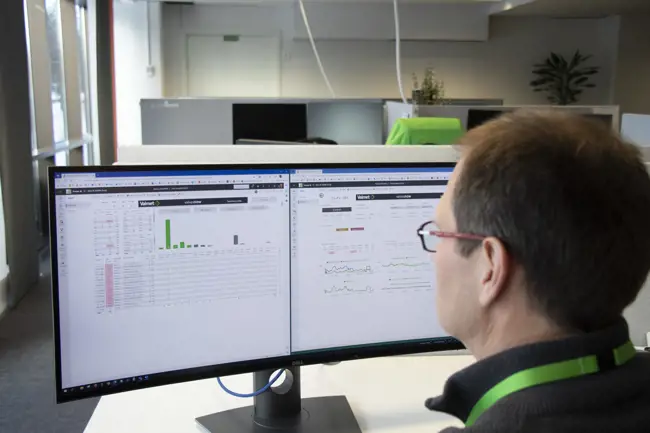
This approach dramatically reduces the amount of data that needs to be transferred, making it possible to monitor an entire valve fleet using standard field device communication such as HART. At the same time, our ValvesNow dashboard ensures that the most meaningful information is available for analysis without overwhelming systems or personnel.
Automatic, AI‑powered valve analysis
Collecting data is only part of the solution. The real value comes from converting that data into clear and actionable insight.
Automatic cloud‑based valve analysis makes this possible. Using AI‑powered analytics and inbuilt expert knowledge, valve performance is evaluated from multiple perspectives, including:
- control performance
- mechanical condition
- operating behavior
- environmental factors
- device alarms and abnormalities.
Rather than presenting raw diagnostics, our analysis identifies the worst-performing valves and prioritizes issues across the fleet. All valves are ranked, with the most critical at the top of the list. This clear prioritization helps maintenance teams focus their efforts where they will have the greatest impact.
Smarter maintenance, better plant performance
Valves play a major role in overall production performance. When control valves do not operate as intended, the effects can ripple through the entire process – reducing efficiency, increasing energy consumption, and raising the risk of unplanned downtime.
By continuously monitoring valve performance and directing maintenance actions to the devices that truly need attention, plants can:
- optimize the use of maintenance resources
- reduce unnecessary inspections and interventions
- improve process stability and control performance
- increase overall plant uptime and reliability.
Instead of reacting to failures, maintenance becomes more targeted and proactive. The result is a more reliable operation and better use of both human and technical resources
A new approach to valve fleet management
Edge computing combined with AI-powered automatic analytics represents a fundamental shift in the management of control valves. By combining local intelligence at the valve, efficient data communication, and cloud‑based analysis, it is now possible to monitor large valve fleets continuously and cost‑effectively, even in existing plants with legacy systems.
This new approach enables plants to move from reactive valve maintenance to data‑driven prioritized decision‑making, maximizing performance today while building a strong foundation for the future.
Come hear more at IVS Milan, Bergamo on Wednesday May 20th, at 11 am in room C2. more information: IVS 2026
Read more