A Selective Catalytic Reduction system helps Kronospan’s Ryomgaard mill meet tightening emission regulations
Due to tightening environmental regulations and companies’ own sustainability targets, many industrial players are growingly investing in smart air emission control systems. By investing in Valmet’s Selective Catalytic Reduction system, Kronospan reduced their Ryomgaard mill’s NOx emissions while ensuring production and maintaining high availability of their boiler.
Kronospan is a global manufacturer and distributor of wood-based panels and related products. Their portfolio includes industry-leading brands in engineered wood, building materials, decorative surfaces, and flooring. At Kronospan, setting high environmental standards comes naturally – and their Ryomgaard mill in Denmark is no different.
Nitrogen oxides (NOx) are among the most significant pollutants released in various industrial processes. To meet with tightening regulations, Kronospan Ryomgaard mill was looking for a solution to reduce their NOx emissions and selected Valmet’s Selective Catalytic Reduction (SCR) system.
“After comparing different solutions, we found that Valmet’s low-temperature SCR system was the most attractive option in the market – it matched our operative targets and with no need for re-heaters or gas burners, and it was also a cost-competitive choice,” says Andreas Brygesen Jensen, Programmer, Kronospan Ryomgaard.
SCR solution tailored to customer requirements
SCR is often the most feasible air emission control technology for applications that require a high NOx reduction level – it can provide a reduction rate up to 95%. In Valmet’s SCR, nitrogen oxides are reduced to water and molecular nitrogen in an SCR reactor. The purpose of the catalyst is to speed up the reaction.
At Kronospan Ryomgaard, the SCR system was designed to meet a 75% reduction in NOx emissions. The system was commissioned according to plan and since its start-up, it has performed as designed.
“We are very satisfied with the solution. The system can maintain stable NOx reduction and NOx emissions after the catalyst remain well within guaranteed levels, while ammonia slip is typically very low,” says Lennart Steen Jensen, Programmer, Kronospan Ryomgaard.

Valmet SCR provides a sufficient NOx reduction, around 75%, in low temperatures.
Smooth cooperation leads to a successful result
Overall, the project was executed in close cooperation between Kronospan Ryomgaard and Valmet. During the engineering phase, Kronospan developed the automation system based on logic diagrams provided by Valmet. The teams worked smoothly together, and the agreed schedule and milestones were met. Any challenges along the way were handled professionally during and after the project phase.
“Valmet’s support has been very responsive. Identified issues have been addressed promptly, ensuring uninterrupted operation of the system. We can definitely recommend Valmet and their solutions for similar air emission control projects,” Lennart Steen Jensen and Andreas Brygesen Jensen conclude.
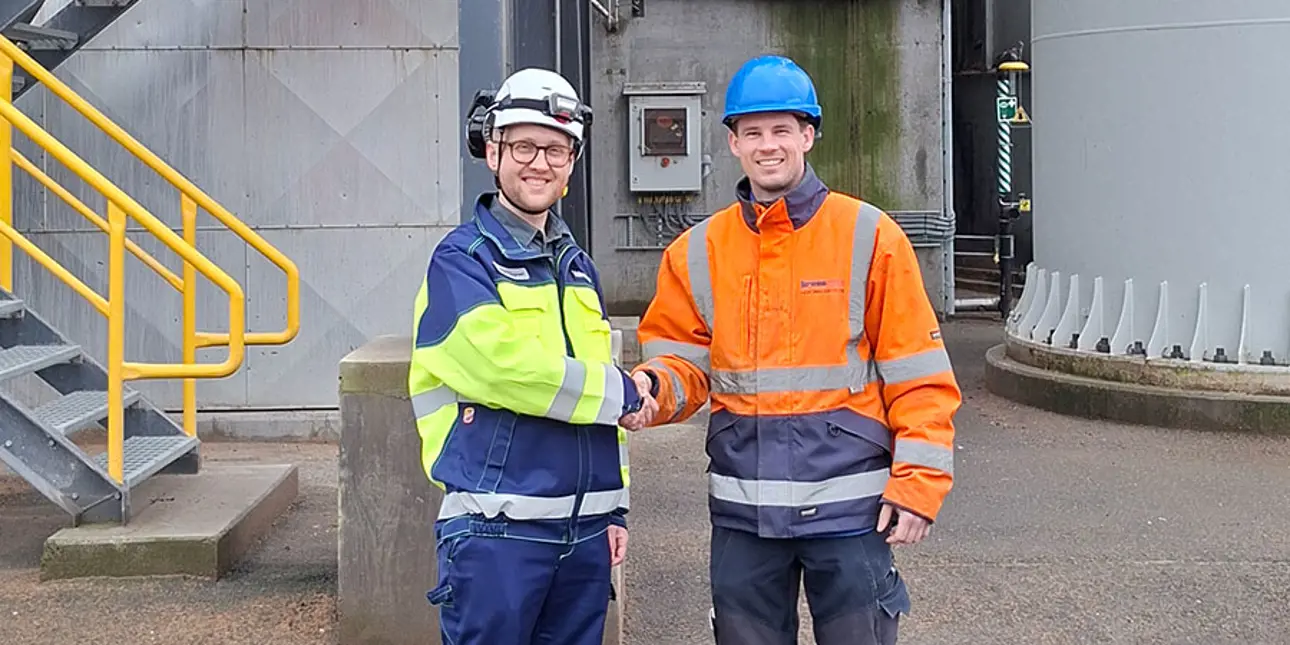
Main image: Christian Thygesen, Lead Engineer, Environmental Customer Applications, Valmet and Andreas Brygesen Jensen, Programmer, Kronospan, are satisfied with the good cooperation throughout the project.
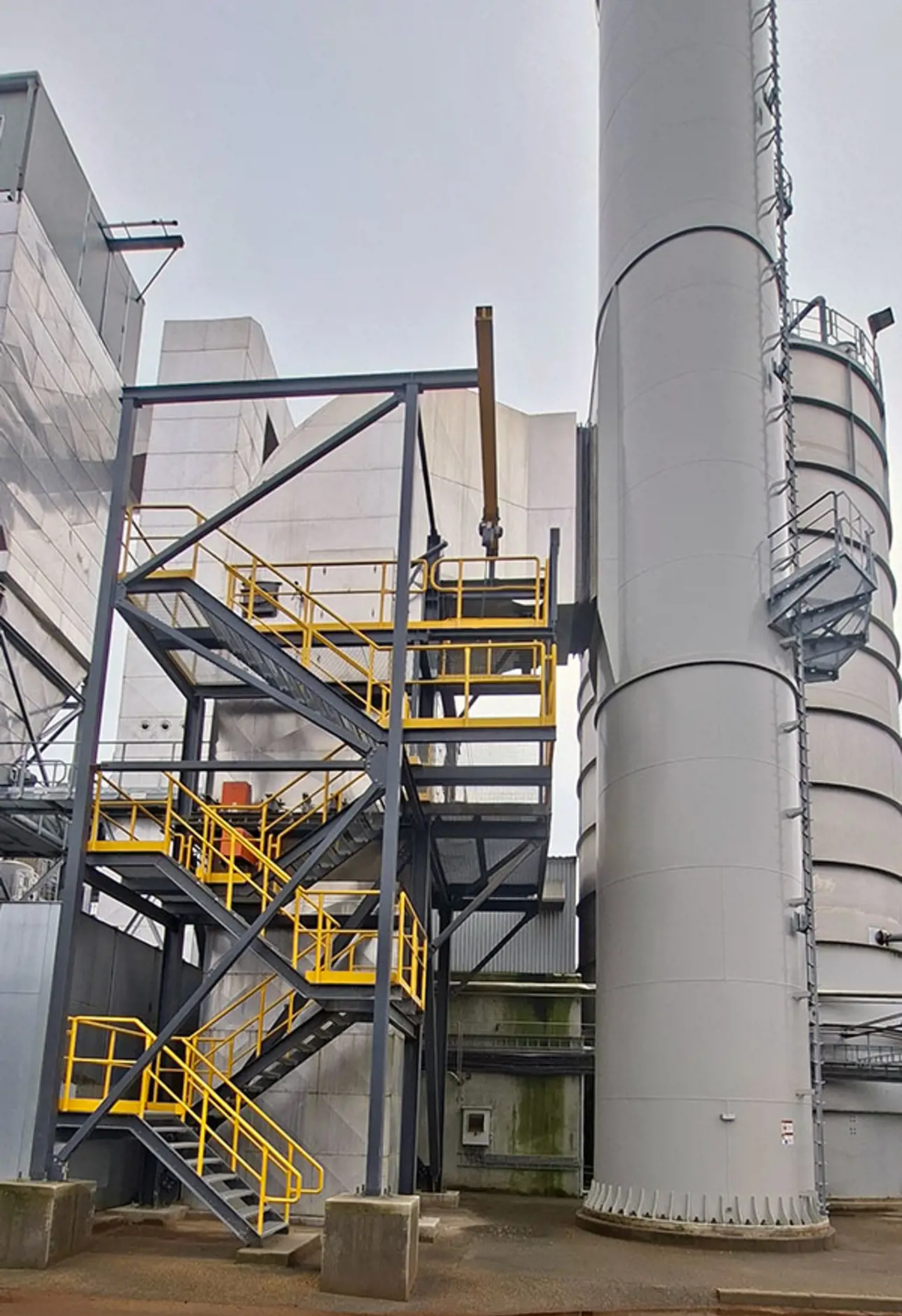
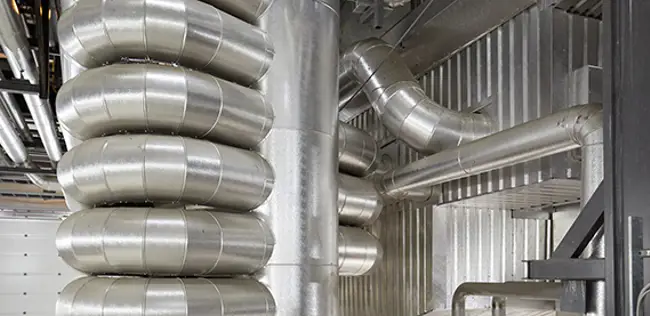
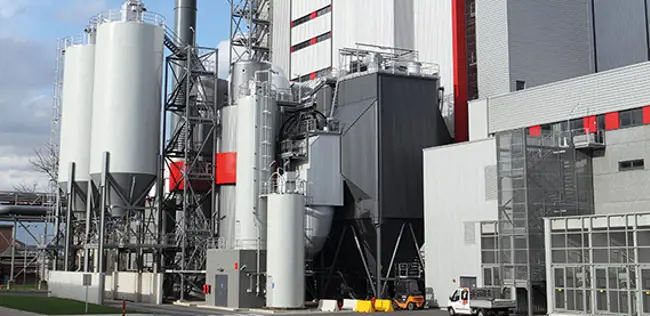
Valmet’s delivery included engineering, manufacturing, installation and commissioning of a complete Selective Catalytic Reduction system with auxiliary equipment.