Delivering value through innovation: PT Tel’s methanol recovery plant enhances efficiency and sustainability
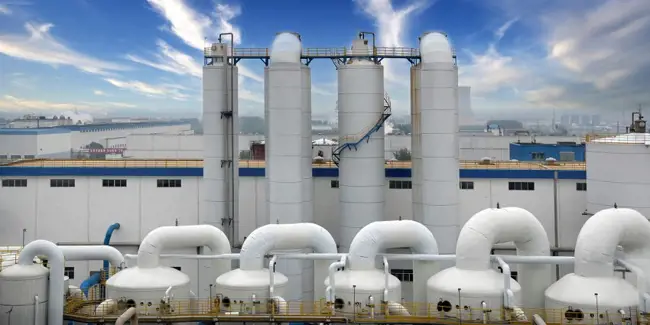
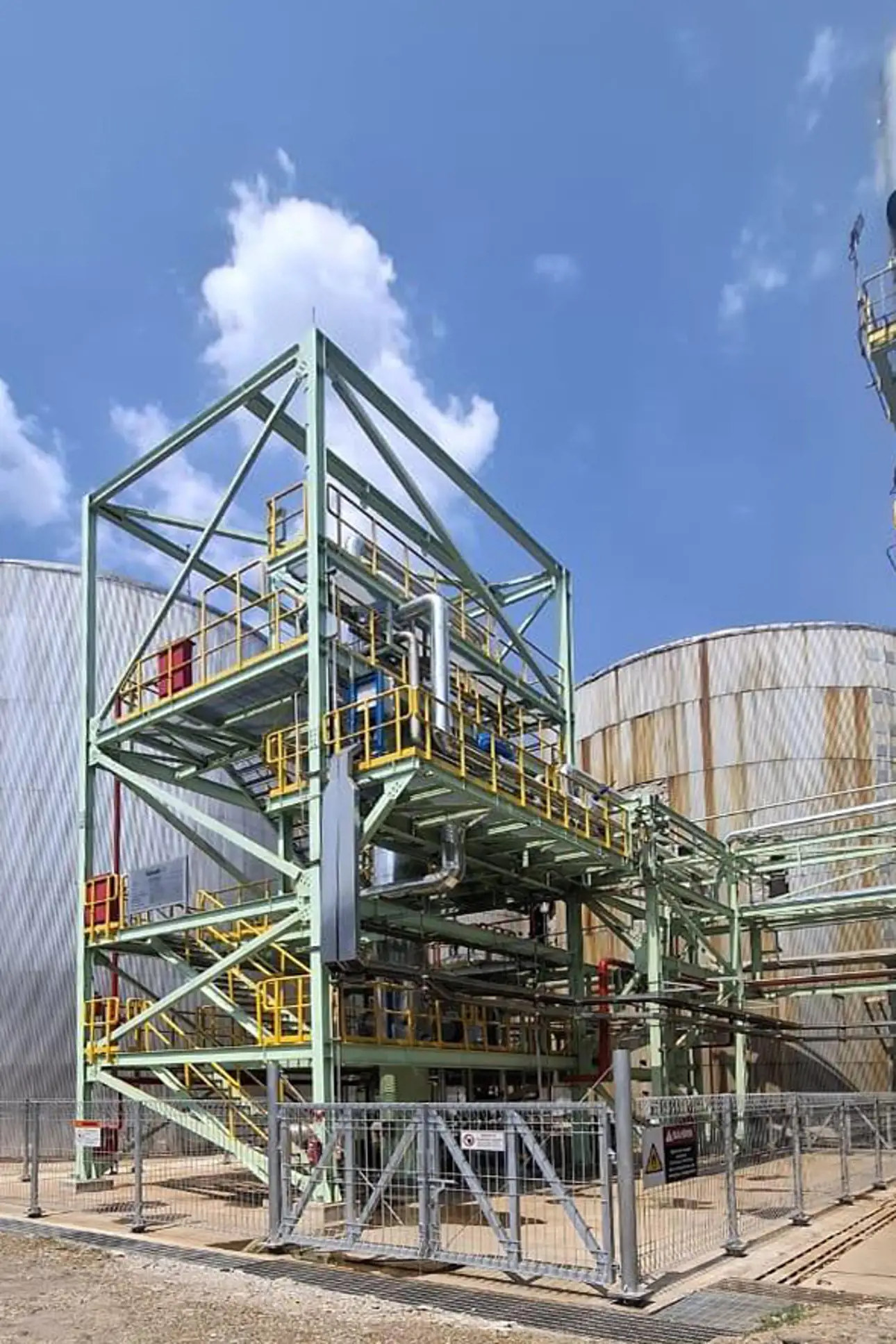
Valmet’s delivery of a methanol recovery plant to PT Tanjungenim Lestari Pulp & Paper (PT Tel) in South Sumatra, Indonesia, demonstrates how advanced technology and strong collaboration can create measurable benefits for customers. Designed to produce 548 kg of methanol per hour at below 20% water content, the plant strengthens PT Tel’s chemical recovery capability while supporting environmentally responsible pulp manufacturing.
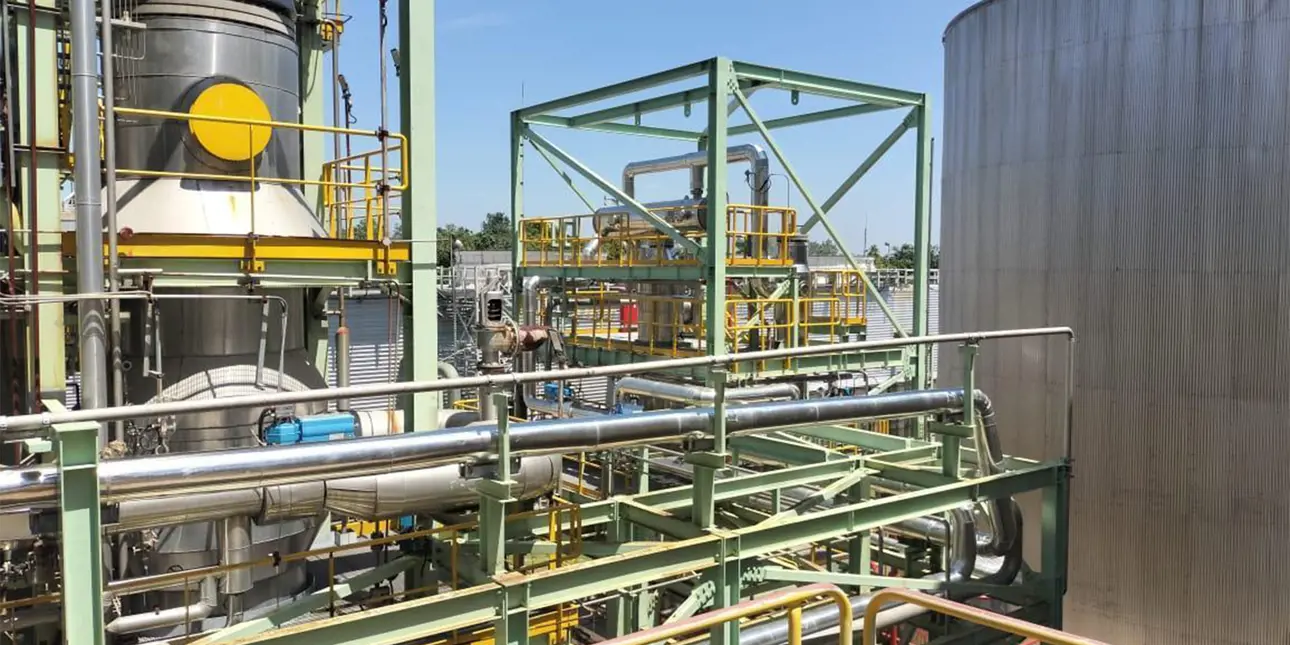
PT Tel, owned by Marubeni Corporation of Japan, operates one of Indonesia’s most advanced market pulp mills. Established in 1990 and recognized as a National Vital Objects Industrial sector, the mill produces 500,000 ADt annually on a 1,250-hectare site and employs around 800 people. With its long-standing focus on product quality and environmental stewardship, PT Tel continues to set benchmarks in the regional pulp industry.
Project Execution
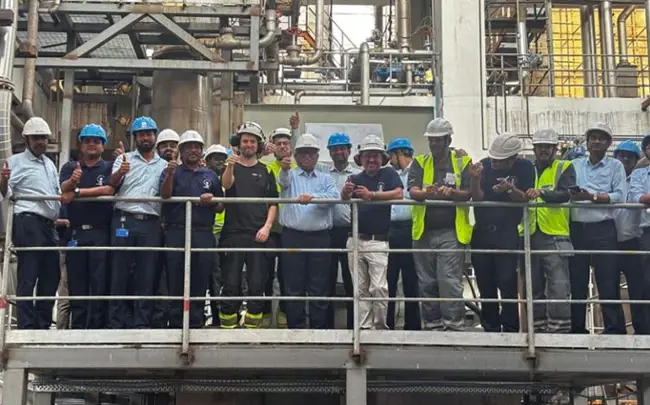
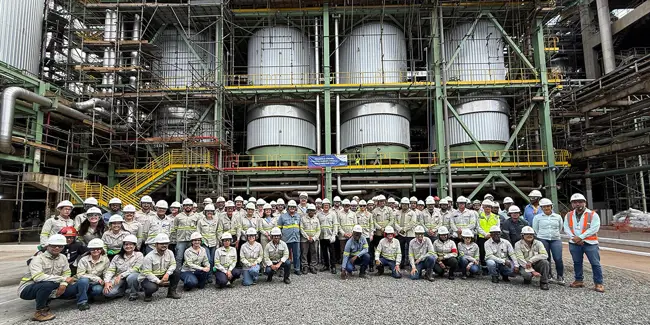
The methanol plant project was delivered on schedule despite the complexities typical of large-scale capital projects. Valmet and PT Tel maintained strong coordination throughout, achieving final acceptance on 11 September 2025 and completing site demobilization as planned. This level of Just-in-Time (JIT) performance—rare in projects influenced by multiple external variables—reflects Valmet’s ability to execute reliably and efficiently under demanding conditions.
Operational Benefits
Early operational data indicates performance beyond expectations.
“Our initial projection was a three-year return on investment. After just two months of operation, we are already seeing results that point to an ROI of about two and a half years—and potentially less than two years at full capacity.” said Mr. Budi Raharjo, Deputy Business Development Manager at PT Tel.
“We are pleased with the outcome so far—the project has delivered exactly what we expected.” He continued.
The plant has also enabled a 10% reduction in natural gas consumption at the lime kiln, targeting 12%, while reducing odorous gas emissions and corrosion. These improvements enhance operational efficiency and environmental performance simultaneously — demonstrating that sustainability can go hand in hand with profitability.
Importantly, PT Tel’s methanol recovery solution reduces emissions, conserves resources, and advances circular-economy performance—aligning strongly with PT Tel and Valmet’s sustainability strategy.
Collaboration and Learning
The success of this project was built on close collaboration. Both teams worked seamlessly to overcome challenges and ensure timely delivery.
One of the key challenges during project development was the performance of the existing stripper plant. Initially, the gas flow from the stripper was significantly lower than the values envisaged for methanol generation. To address this, Valmet committed to supporting PT Tel in studying and improving stripper operations. Valmet’s process specialists visited the site, analyzed the stripper performance, and collaborated with PT Tel to implement corrective actions, including cleaning scaled components and fine-tuning operations. Through this joint effort, stripper performance improved substantially, enabling the methanol plant to exceed its guaranteed performance targets.
This kind of experience also provided valuable learning, with PT Tel emphasizing the importance of engaging Valmet’s expert during critical installation—an insight that will help enhance future project execution.
“Working with Valmet gave us confidence throughout the project. Their proactive approach and technical expertise ensured smooth progress, even during critical phases,” said Mr. Budi Raharjo.
Looking Ahead
The PT Tel Methanol Recovery Plant stands as a strong reference for how technology-driven solutions can combine operational excellence with environmental responsibility. Through close collaboration and precise execution, Valmet and PT Tel have achieved a result that benefits both business performance and long-term sustainability—reinforcing the value of innovation in the pulp and paper industry.

We are pleased with the outcome so far—the project has delivered exactly what we expected.
Related articles