Reliable flow control keeps tailings operations running smoothly
In modern mining operations, the efficient and safe handling of tailings is considered among the most demanding and critical challenges for any mine site. The transport and containment of tailings, comprising of high-density slurries or pastes with significant concentrations of abrasive solids, require process equipment that can operate under extreme conditions for extended periods with minimal maintenance. Within this environment, flow control technologies such as slurry valves and pumps are critical to ensuring process reliability, operational safety, and environmental performance.
This article was originally published in the Mining Journal Review, January/February 2026 issue.
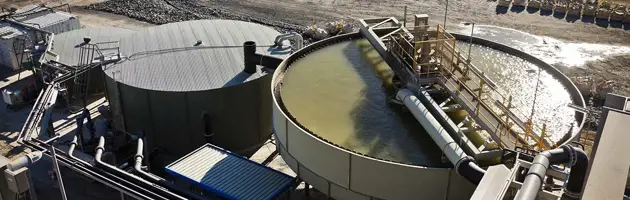
Tailings represent one of the most severe service environments for flow control equipment. Once valuable minerals are extracted from ore, the residual mixture of finely ground rock, process water, and chemical reagents forms a dense slurry or paste. This material typically has a solids content up to 80%, creating a highly abrasive and erosive medium. Transporting these materials through large-diameter pipelines and over long distances on site requires pumps and valves capable of maintaining stable flow performance under continuous mechanical - and often also chemical - stress.
The weight and composition of tailings slurries subject valves and pumps to intense wear. Continuous exposure to abrasive solids accelerates material degradation, while chemical additives used in the process may result in corrosive conditions. As a result, both reliability and durability are central to the design of valves and pumps used in tailings applications. Valve failure, for example, not only results in costly downtime but may also pose significant safety and environmental risks.
Pump and valve selection and design considerations

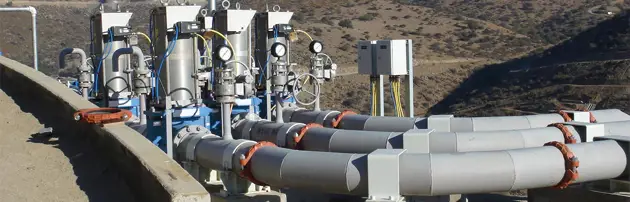
To address these challenges, robust designs and materials and carefully specified valve selection are essential. In mining applications, the two primary valve types recommended for tailings are pinch valves, suited for both shut off and control applications, and slurry knife gate valves for on/off use. Both designs are characterized by the use of elastomer sleeves as sealing elements. The choice of elastomer composition is a critical design factor, as it must be tailored to withstand specific slurry properties, chemical exposure and environmental conditions.
Elastomer performance can vary significantly depending on what the flow media consists of, as well as site conditions. For example, in arctic environments, low temperatures demand materials that remain flexible and resilient, while in hot arid climates resistance to heat and UV exposure is essential. A correctly specified elastomer compound ensures that valves retain sealing integrity, resist wear, and maintain consistent performance throughout their service life.
Ensuring environmental performance
Tailings management systems are subject to strict environmental regulations, particularly regarding the prevention of leaks or spills into the surrounding environment. The failure of a single valve in a tailings circuit can result in significant environmental contamination. Therefore, flow control components play a direct role in environmental protection and regulatory compliance.
Both pinch valves and knife gate valves contribute to this reliability through their full-bore, unobstructed flow paths and tight shut-off capability. Their design inherently minimizes areas where material buildup can occur, reducing the risk of blockages or incomplete closure. Furthermore, the resilient elastomer sleeves used in these valves can maintain effective sealing even under fluctuating pressures.
By ensuring safe and tight operation and minimizing the need for frequent maintenance operations, robust valves help operators maintain the integrity of processes and reduce the likelihood of environmental incidents. In remote environments, where access is limited and the consequences of a spill are severe, these reliability characteristics are vital.
Valves and pumps designed for continuous slurry transport
Tailings pipelines often extend for kilometers on end, transporting vast volumes of slurry at high pressures through large-diameter pipes. Under these conditions, the mechanical loads on valves and pumps are substantial. To maintain continuous operation, flow control equipment must be structurally sound and engineered for high cycle durability.

While centrifugal pumps provide high-capacity performance in handling tailings, hose pumps are the perfect fit to solve some of the most challenging applications, such as in thickening and tailings processes where slurry is highly abrasive or viscous. While their capacity may be more limited compared to some other pump types, their ability to handle tough media with minimal wear makes them a valuable tool in the engineer’s toolbox for specialized use cases.
A robust valve design incorporates heavy-duty body construction, reinforced sleeves, and actuators capable of maintaining consistent performance under high differential pressures. This robustness is critical for preventing fatigue over time, particularly in systems that operate around the clock. Similarly, pumps used for tailings handling must deliver consistent flow performance while resisting wear from both abrasion and the effects of present chemicals.
In addition to structural integrity, predictability under variable process conditions is essential. Valves must maintain accurate performance despite changes in slurry density, pressure surges, or flow interruptions. A stable and predictable response helps prevent pipeline blockages, uneven deposition, and other potential disruptions that can compromise overall efficiency.
Easy serviceability and maintenance
Mining operations are frequently located in remote regions where access to equipment is difficult, spare parts logistics are complex, and downtime easily incurs high costs. In such environments, serviceability is as important as initial equipment performance. Valves and pumps that can be maintained quickly and safely, without specialized tools or extensive disassembly, offer substantial operational advantages.
Ease of service is achieved through modular component design, simplified sleeve replacement mechanisms, easy adjustment, and standardized parts across product families. Predictable maintenance intervals and long service lifetimes further contribute to operational continuity. When equipment can operate reliably over extended periods, maintenance scheduling becomes more manageable. And most importantly, unscheduled downtime avoided altogether.
Reliability proven through experience
The combination of durable materials, standardized spare parts, and proven design principles contributes to predictable performance over time. Furthermore, manufacturers with extensive installed bases and long operational histories can provide valuable data on wear patterns, material performance, and maintenance optimization.
This expertise and knowledge support condition-based maintenance strategies, allowing operators to plan predictive and proactive service operations. It is often worth selecting the equipment and vendor based on mining-specific experience. For example, Valmet’s Flowrox slurry valves and hose pumps have been specifically designed with the demands of slurry handling in mining processes in mind. They are widely in use at mine sites around the globe.
Competitive total cost of ownership
In a capital-intensive industry such as mining, total cost of ownership (TCO) is a key decision factor when selecting process equipment, including flow control technologies. While the initial procurement cost of a valve or pump is important, the long-term economics are determined by reliability, service life, and maintenance requirements. The ideal solution delivers consistent performance over extended intervals, reduces downtime, and minimizes the need for frequent parts replacements.

Pinch and knife gate valves, particularly those engineered for heavy-duty slurry service, are known for their long service intervals and ease of repair. Their design allows for the replacement of critical components such as elastomer sleeves with relative ease, greatly reducing maintenance time and cost. Over the lifespan of a tailings transport system, these design efficiencies translate into measurable reductions in operational expenditure.
While centrifugal pumps can be troublesome to maintain, a single roller design hose pump eliminates friction, maximizes hose life and lowers energy consumption. Energy efficiency, long hose life and low maintenance generate substantial savings during the life cycle of peristaltic pumps. The lifetime of single roller design hose pumps’ hoses is significantly longer than shoe type hose pumps.
Contributing to process optimization
Also, predictable equipment behavior supports process optimization and enhances overall plant availability. When flow control devices perform reliably, process parameters such as flow rate, pressure, and density can be maintained within optimal ranges, improving energy efficiency and reducing wear on other process equipment as well.
By balancing performance, durability and serviceability, high-quality flow control solutions offer mining operators a competitive total cost of ownership. They provide assurance that the essential functions of safety, reliability, and environmental compliance are met without incurring excessive maintenance or replacement costs.
Conclusion
The transport and management of tailings in mining operations present some of the most challenging conditions for process equipment. High solid content, abrasive slurries, chemical exposure, and environmental sensitivity all contribute to the need for durable and dependable flow control technologies. Through the use of specialized materials, proven valve and pump designs, and attention to serviceability, operators can ensure the long-term safety and efficiency of tailings processes.
In this context, reliable flow control is not simply a technical consideration – it is a central component of responsible resource management. The adoption of robust, field-proven valve and pump technologies support not only operational performance but also the broader goals of environmental protection and sustainable mining practices. By prioritizing durability, maintainability, and lifetime cost efficiency, the mining industry can continue to advance its commitment to safe and sustainable tailings operations.
For more information, contact Ville Lindh, ville.lindh@valmet.com, Industry Manager, Mining and Metals in Europe at Valmet Flow Control business line.

Ville Lindh
Industry Manager, Mining and Metals, Europe, Valmet Flow Control business line
Summary of the content
Tailings transport is one of the most demanding areas in mining, where high‑density, abrasive slurries put continuous stress on pumps and valves. Reliable flow control is essential to keep these systems stable, safe and environmentally compliant. Durable pinch valves, knife gate valves and hose pumps with the right elastomers and strong construction help maintain consistent performance even under harsh conditions and remote‑site limitations. When equipment is predictable and easy to service, operators reduce downtime, improve process stability and achieve a lower total cost of ownership. Reliable flow control is a key part of safe, efficient and sustainable tailings operations.
Subsribe to flow control newsletters
Subscribe now to flow control newsletters and receive the latest insights directly to your email.
SubscribeFlow control for different applications in mining, metals and steel