Beyond Circularity: Innovations in fiber and water analysis technologies
New wood pulp applications bring exciting opportunities, such as raw materials for textiles, films, and liquid packaging. However, sufficiently accurate analytical methods and industrial understanding have been lacking for these processes. The two-year CEBIPRO project aimed to address this challenge by developing innovative industrial and online fiber and water analysis technologies for fiber treatment and engineering processes and products.
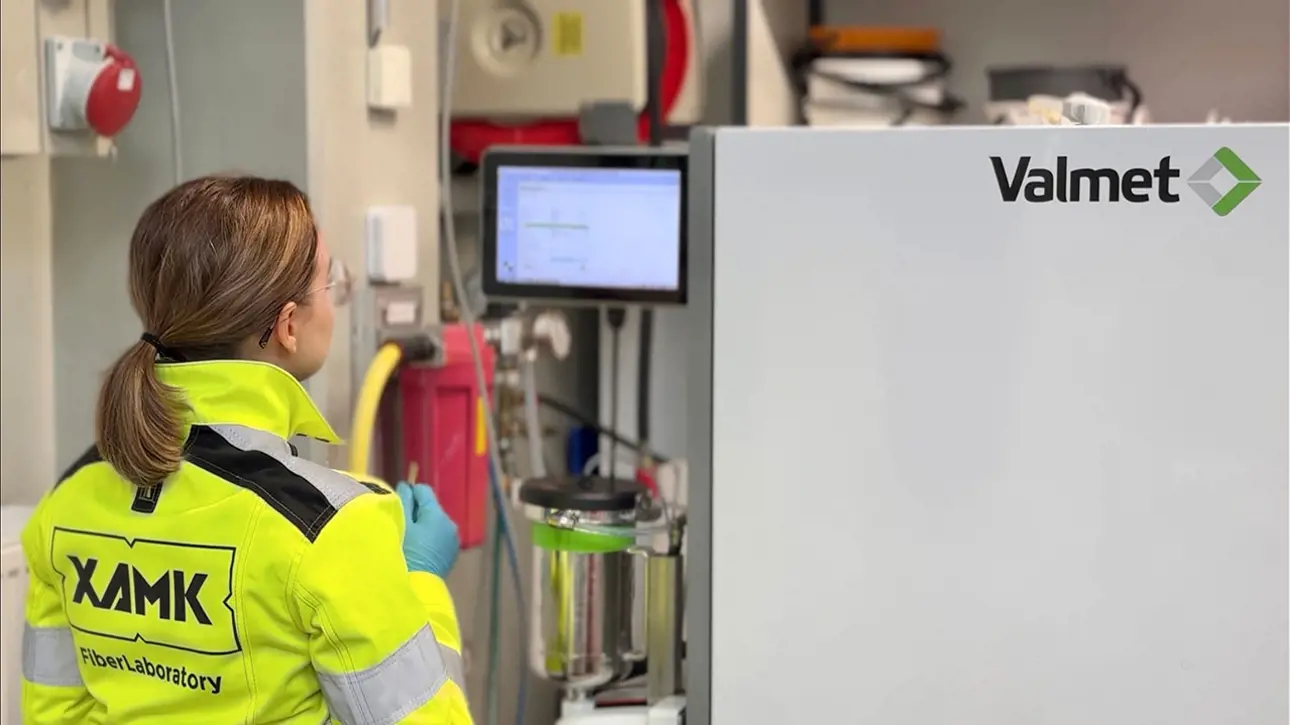
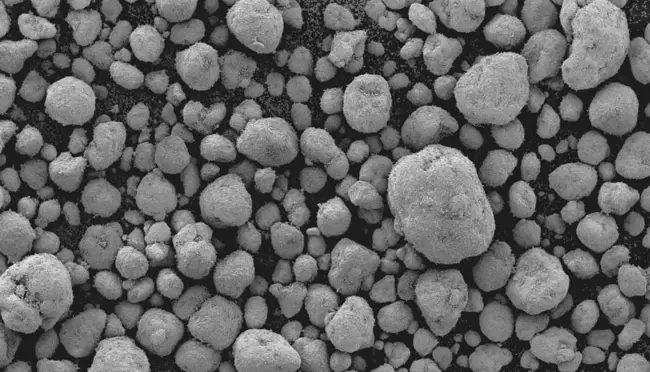
The project developed new knowledge, technologies, and competencies for fiber ecosystems to optimize processing efficiency and product quality. Applied research using fractionation and Nuclear Magnetic Resonance (NMR) techniques to characterize microfibrillated cellulose (MFC) was conducted in the South-Eastern Finland University of Applied Sciences FiberLaboratory in cooperation with industry partners.
Target: New analysis technologies for circular economy biorefineries
Valid: 1.1.2023– 30.4.2025
Coordinated by: XAMK, Industrial partners: Valmet, Aquaflow, Wetend Technologies, Fiber-X Finland, Stora Enso and UPM-Kymmene
Project budget: more than EUR 1.3 million. The project was granted NextGenerationEU funding from the EU’s Sustainable Growth Programme for Finland.
The project also evaluated the applicability of these characterization techniques to establish an analytical platform for the online monitoring of closed water loop chemical constituents, furthering the production of bio-based products. Pulp and paper production are very water-intensive industries. Economic and ecological reasons have led mills to close their water cycles and reduce freshwater consumption. Closing the water loops means an increased amount of inorganic and organic substances in process waters, which may cause severe quality and runnability problems.
The CEBIPRO project was coordinated by Xamk (South-Eastern Finland University of Applied Sciences) and partly funded by Business Finland. Six companies participated in the project: Valmet, Aquaflow, Wetend Technologies, Fiber-X Finland, Stora Enso and UPM-Kymmene. The project was part of Valmet’s Beyond Circularity R&D program and ecosystem. The project also cooperated with the Research Institute of Sweden (RISE), which has done pioneering work on MFC characterization and modeling, such as microflocs characterization.
Key results of the CEBIPRO project
The project stayed well on schedule, and the goals were largely achieved.
“We developed a modeling method to predict the strength properties of laboratory-prepared sheets. However, utilizing it in industrial processes still requires fine-tuning and repeatability tests. The project also accumulated new expertise in the use of new analysis techniques, particularly in monitoring fiber refining, characterizing MFC, and analyzing various fiber suspensions,” says Ella Tirronen, Project researcher from Xamk.
“During the project, Nuclear Magnetic Resonance NMR methods were developed for both solid samples and process waters. The measurement technique for crystallinity and polymerization degree was accelerated, and the monitoring of organic loads and solids in process water succeeded in long-term pilots. The project resulted in an NMR patent application related to the characterization of MFC, three national publications in the annual journals of Xamk's Forest, Environment, and Energy focus areas, and two international scientific articles,” says Heikki Korhonen, Manager, Analyzer & Measurement SW/HW Development, Valmet.
*Microfibrillated Cellulose (MFC) is a natural material made of cellulose fibrils that have been separated from a source such as wood pulp.
We developed a modeling method to predict the strength properties of laboratory-prepared sheets. The project also accumulated new expertise in the use of new analysis techniques, particularly in monitoring fiber refining, characterizing MFC, and analyzing various fiber suspensions.
Read other Beyond Circularity articles